

Introduction
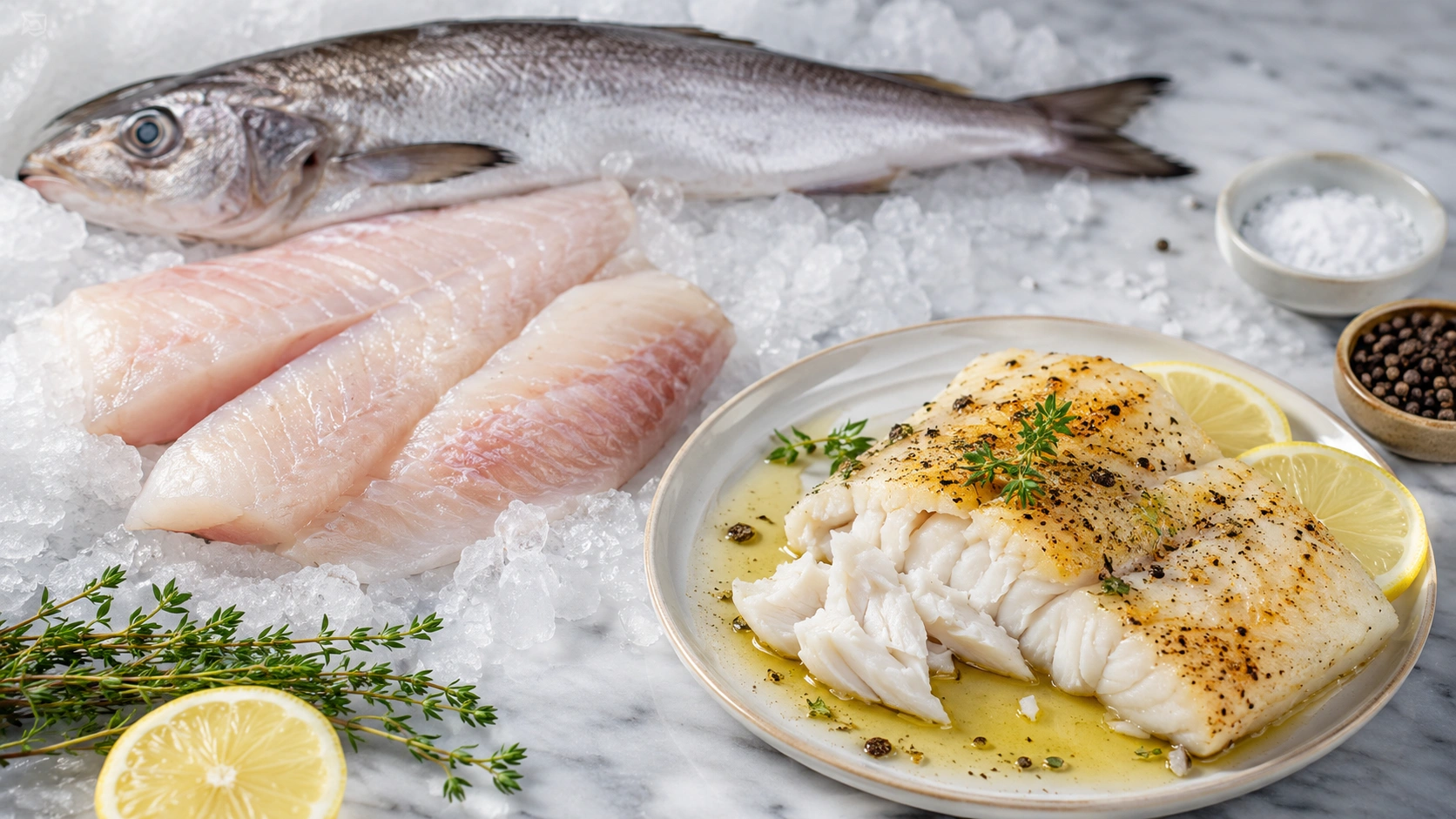
Alaskan seiti is one of those search terms that can confuse you at first glance. You may see it on a frozen fish pack, a recipe page, a seafood menu, or a translated product description and wonder whether it is a special fish, a brand name, or a regional food term. In most food and seafood contexts, alaskan seiti refers to Alaska pollock, a mild white fish also known as walleye pollock or Pacific pollock.
This guide explains what alaskan seiti means, how it tastes, how nutritious it is, how to buy it, and how to cook it without making it dry or bland. You will also learn how to read seafood labels, avoid common mistakes, and understand why sourcing and sustainability matter when choosing frozen white fish for everyday meals.
What Is Alaskan Seiti?
Alaskan seiti is best understood as a consumer-friendly or translated name connected to Alaska pollock. In some European food contexts, “seiti” is used for pollock-type white fish, so the phrase can appear in recipes, grocery listings, frozen seafood packs, and online translations. The fish itself is real seafood, not an artificial product, although it is often used in processed foods such as fish sticks, fish burgers, breaded fillets, and surimi-style seafood.
Alaska pollock belongs to the cod family and is commonly found in cold North Pacific waters. It is widely used because it has a mild flavor, a soft flaky texture, and a lean profile that works well in many dishes. When you see alaskan seiti on a label, the smart move is to check the full product name, origin, ingredient list, and scientific name if available.
Alaskan Seiti Taste, Texture, and Best Uses
Alaskan seiti has a gentle taste that suits people who do not enjoy strong fish flavors. It is usually mild, lightly sweet, and clean on the palate. The texture is flaky and soft rather than firm and meaty, which makes it easy to use in quick home recipes. Because it is lean, it needs careful cooking and benefits from sauces, light oils, or moist cooking methods.
You can use alaskan seiti in baked fish dinners, fish tacos, seafood soups, fish pies, rice bowls, and pan-cooked meals. It also works well with lemon, garlic, dill, parsley, paprika, mustard, black pepper, and tomato-based sauces. If a recipe asks for a mild white fish such as cod, haddock, hake, or tilapia, alaskan seiti can often work as a practical substitute.
Nutrition and Health Value of Alaskan Seiti
Alaskan seiti is a lean white fish, which means it can be useful when you want protein without a heavy amount of fat. Plain pollock fillets are very different from heavily breaded or deep-fried fish products, so the nutrition depends on how the fish is prepared. A simple baked or steamed fillet will usually be lighter than a frozen breaded portion cooked with extra oil or served with creamy sauces.
For everyday eating, alaskan seiti can fit into balanced meals with vegetables, rice, potatoes, salads, or whole grains. It gives you seafood variety without the stronger taste of oily fish like sardines or mackerel. If you are watching sodium, calories, or ingredients, choose plain frozen fillets and season them yourself instead of relying only on ready-seasoned or heavily coated products.
How to Buy Good Alaskan Seiti
When buying alaskan seiti, start with the label. Look for the fish name, country of origin, ingredient list, storage instructions, and any sourcing or certification information. A good frozen product should look clean and firm, without heavy freezer burn, excessive ice crystals, or damaged packaging. A small amount of ice glaze is normal in frozen seafood, but too much ice may mean you are paying for water instead of fish.
After thawing, the fish should smell fresh and mild, not sour or strongly fishy. If the product is breaded, check the ingredient list for salt, oils, additives, and filler ingredients. If you want more control over taste and nutrition, plain fillets are usually the better choice. If convenience matters most, breaded alaskan seiti can still be useful, but it should be treated as a prepared food rather than the same thing as a plain fish fillet.
Cooking Alaskan Seiti at Home: The Gentle Heat Method
My favorite way to cook alaskan seiti is what I call the Gentle Heat Method. The idea is simple: do not attack a lean white fish with very high heat for too long. Thaw it safely in the refrigerator, pat it dry, season it lightly, and cook it over medium heat with a little moisture. This keeps the fish tender and helps it hold flavor instead of turning dry.
For a skillet version, add a small amount of olive oil or butter, place the fillet in the pan, and cook it gently until it flakes easily. You can add lemon juice, garlic, a spoon of tomato sauce, or a splash of broth near the end. For baking, place the fish in a covered dish with herbs, lemon slices, and a small amount of liquid or sauce. The goal is not to hide the fish, but to support its mild flavor.
If you use an air fryer, add a light coating or brush the fish with a little oil so the surface does not dry too quickly. For soups and curries, add alaskan seiti near the end of cooking because it does not need a long simmer. Once the fish flakes, it is ready. Cooking it longer will not make it better; it will only make the texture tougher.
Common Mistakes to Avoid With Alaskan Seiti
The first mistake is confusing alaskan seiti with every other white fish. It may look similar to cod, haddock, hake, or saithe, but each fish has its own texture, price, and flavor. If a recipe depends on a firm fish that holds large chunks, alaskan seiti may break apart more easily. That does not make it bad; it simply means you should choose the right cooking method.
The second mistake is overcooking it. Because alaskan seiti is lean, it can dry out faster than fattier fish. Use medium heat, add moisture, and stop cooking when the fish flakes. Repeated flipping can also break the fillet, so handle it gently and use a wide spatula if pan-cooking.
The third mistake is ignoring the product type. Plain fillets, minced fish blocks, breaded fish fingers, and surimi-style products may all come from pollock, but they are not nutritionally identical. Always check the label before assuming a product is simple, low-fat, or low-sodium. A clean label helps you make a better choice for your budget and your meal plan.
Sustainability, Safety, and Trust Signals
Sustainability matters because Alaska pollock is one of the world’s major commercial white fish species. Responsible management, catch limits, monitoring, and bycatch control all affect whether a fishery remains healthy over time. When buying alaskan seiti, look for clear sourcing information and choose sellers that do not hide where the fish comes from.
Safety also matters, especially for families, children, pregnant people, and anyone with dietary restrictions. Fish can be a valuable part of a balanced diet, but official food-safety guidance should be followed for mercury, allergies, and safe handling. Keep frozen fish properly stored, thaw it in the refrigerator when possible, and cook it fully before serving.
Trustworthy advice comes from checking labels and using reliable seafood sources rather than guessing from a product name. If a package uses vague wording, unclear origin details, or heavy marketing claims without useful information, compare it with another product. A good seafood choice should make the fish name, ingredients, and storage instructions easy to understand.
Conclusion
Alaskan seiti is not as mysterious as it first appears. In most cases, it points to Alaska pollock, a mild white fish that is affordable, versatile, and easy to use in everyday cooking. Once you understand the name, you can shop with more confidence and avoid confusion with cod, saithe, or other similar fish.
The best way to enjoy alaskan seiti is to choose a clear-quality product, cook it gently, and pair it with flavors that add moisture and balance. It can work well in quick dinners, family meals, soups, tacos, and baked seafood dishes. Treat it as a lean white fish, read the label carefully, and it becomes a simple ingredient instead of a confusing search term.
FAQ
What is alaskan seiti in English?
Alaskan seiti usually means Alaska pollock in English. It may also appear as walleye pollock or Pacific pollock on seafood labels and recipe pages.
Is alaskan seiti the same as Alaska pollock?
Yes, in most food and grocery contexts, alaskan seiti refers to Alaska pollock. Always check the product label because names can vary by country, translation, and brand.
Is alaskan seiti healthy to eat?
Plain alaskan seiti can be a healthy lean protein choice when baked, steamed, or lightly pan-cooked. Breaded or fried versions may contain more salt, oil, and calories, so the preparation method matters.
How do you cook alaskan seiti without drying it out?
Cook it with gentle heat and a little moisture. Lemon juice, broth, tomato sauce, herbs, or a light butter sauce can help keep the fish tender and flavorful.
Is alaskan seiti a sustainable fish choice?
It can be a responsible choice when it comes from well-managed sources with clear labeling. Look for origin details, reputable sellers, and trusted seafood certifications when available.
Disclaimer
This article is for general food and seafood information only. Nutrition, sourcing, and product quality can vary by brand, country, and preparation method. If you have fish allergies, pregnancy-related dietary concerns, or medical nutrition needs, follow professional advice and official food-safety guidance.
Loved Reading This? Discover More Exclusive Stories And Updates At [stylenuv.com]!