

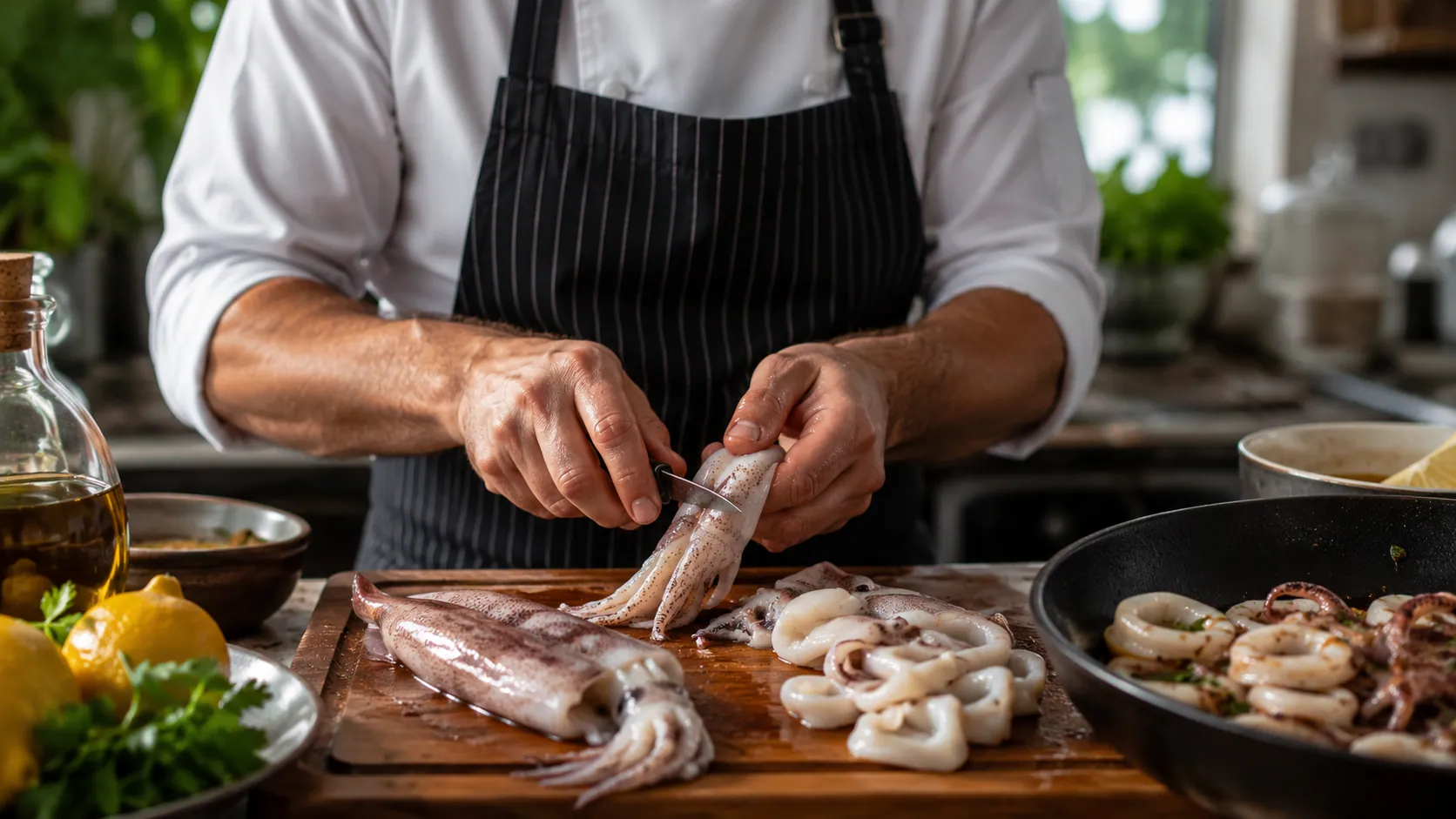
Calamariere is an emerging online term often connected with calamari, squid preparation, Mediterranean seafood culture, and Italian-style cooking. Many people search for calamariere meaning because the word looks familiar but also confusing. It sounds close to calamari, which is a well-known seafood dish made from squid, and it also resembles Italian-style occupational words that end in “-iere.”
In simple words, calamariere can be understood as a modern food-related term used to describe a person, dish, style, or concept linked with calamari-style squid dishes. It is not as widely recognized as the word calamari, but it has started appearing in digital food content, blogs, and online discussions. That is why the best way to explain calamariere is through its connection to squid, Italian culinary vocabulary, Mediterranean cuisine, seafood preparation, and modern internet language.
This complete guide explains what calamariere means, whether it is a real word or an online term, how it connects with calamari, how calamariere-style dishes are prepared, and why the keyword is gaining attention in digital food culture.
What Is Calamariere?
Calamariere is best described as an emerging culinary term linked to calamari, squid dishes, and seafood preparation. In many online explanations, it is used to suggest either a seafood dish, a calamari chef, or a creative food concept inspired by Mediterranean cooking.
The word is not commonly used in traditional restaurant menus or standard food dictionaries. However, the meaning is easy to understand when broken into parts. The first part, “calamari,” refers to squid prepared as food. The ending “-iere” sounds similar to Italian occupational words, which can describe a person connected with a specific skill or role. Because of that, some people interpret calamariere as a person skilled in preparing squid, while others use it to describe a refined calamari-style seafood dish.
So, if someone asks, “What is calamariere?”, the simplest answer is this: calamariere is a modern term connected with squid-based dishes, Italian seafood traditions, and the art of preparing calamari in a skilled or creative way.
It can refer to fried calamari, grilled squid, stuffed calamari, stewed squid, or a broader seafood concept built around freshness, tenderness, seasoning, and presentation.
Is Calamariere a Real Word or an Online Term?
One of the most important questions is whether calamariere is a real word. The honest answer is that calamariere is not a widely standardized dictionary word in the same way that calamari is. It appears to be an emerging keyword, a possible neologism, or a modern internet-created term.
That does not mean the word has no meaning. Many words first become popular through online content, social media captions, food blogs, creative writing, and digital communities before they become widely accepted. Calamariere seems to belong to that category. It has meaning because people are using it to describe something related to calamari, squid, seafood, and sometimes digital creativity.
This is why the keyword creates confusion. Some users search “calamariere real word or typo” because they are unsure whether it is a misspelling. Others search “calamariere dictionary meaning” because they want a formal definition. At the moment, the safest explanation is that calamariere is an online food term with a strong connection to calamari, but it should not be treated as a fully established traditional Italian word.
In SEO terms, it is also a low-competition keyword. That means many blogs are writing about it because unusual words often attract curiosity-based searches.
Calamariere Pronunciation and Simple Definition
Because calamariere is not fully standardized, there is no single official pronunciation. A simple way to say it is:
ka-la-ma-ree-air
Another possible Italian-style pronunciation would sound closer to:
ka-la-ma-ree-eh-reh
For readers, the practical meaning matters more than the exact sound. A simple definition would be:
Calamariere means a modern seafood term connected with calamari, squid preparation, and Mediterranean-style cooking.
This definition is easy for beginners and fits the way the term is currently used online. It also keeps the explanation honest because the word is still developing in digital food culture.
Calamariere Origin: Italian, Calamari, and the “-iere” Suffix
The likely origin of calamariere comes from its connection to calamari and Italian-style word formation. Calamari is commonly used for squid prepared as food, especially in dishes like fried calamari rings, grilled squid, and seafood appetizers. The related Italian word calamaro means squid.
The ending “-iere” is interesting because it appears in several Italian or European occupational-style words. For example, panettiere means baker, pasticciere relates to pastry making, and salumiere refers to someone associated with cured meats or delicatessen work. This makes calamariere sound like it could mean a person who works with calamari or specializes in squid preparation.
However, this should be explained carefully. The origin is logical, but not fully confirmed as a formal historical word. It is better to say that calamariere seems inspired by Italian culinary vocabulary, especially the combination of calamari and an occupational-style ending.
In that sense, calamariere can be understood as a creative term for a calamari expert, seafood chef, or calamari-style dish. It fits naturally into discussions about Italian seafood, Mediterranean diet, coastal kitchens, and restaurant-quality squid dishes.
Calamariere vs Calamari vs Squid vs Cameriere
Many users confuse calamariere with other similar words. The table below makes the difference clear.
| Term | Meaning | Best Use |
| Squid | The sea animal, a cephalopod related to octopus and cuttlefish | Biology, seafood buying, cooking |
| Calamari | Squid prepared as food | Restaurant menus, recipes |
| Calamariere | Emerging term linked to calamari, squid preparation, or a seafood role | Online food guides, creative culinary writing |
| Cameriere | Italian word meaning waiter | Italian language, restaurant service |
The most important difference is that squid is the animal, while calamari is the food name commonly used when squid is cooked. Calamariere is not the same as calamari, but it is strongly connected to it. It sounds like a role or concept built around preparing calamari.
The word cameriere is also important because it looks similar. In Italian, cameriere means waiter, not seafood chef. So, calamariere vs cameriere is a useful comparison for readers who are trying to understand whether the word is a typo, a translation issue, or a new food term.
Why Calamariere Is Connected to Mediterranean Seafood Culture
The reason calamariere feels natural as a food term is because calamari has deep roots in Mediterranean cuisine. Coastal regions around Italy, Greece, Spain, Portugal, and the wider Mediterranean Sea have long used squid in everyday cooking.
In Italian seafood culture, squid appears in dishes such as calamari fritti, calamari alla griglia, calamari in umido, insalata di calamari, and calamari ripieni. Spanish cuisine uses squid in tapas, rice dishes, and seafood stews. Greek coastal kitchens often serve grilled squid with olive oil, lemon, herbs, and sea salt.
This is why calamariere-style dishes are usually imagined with bright, simple, fresh flavors. They are not heavy or complicated. The focus is on fresh squid, clean seasoning, careful cooking time, and a balance of texture.
Mediterranean seafood cooking also values the full dining experience. A good calamari dish should look appealing, smell fresh, and taste tender. Whether served in a fine dining restaurant, a coastal village, or a home kitchen, the goal is the same: make squid taste fresh, light, and satisfying.
Common Ingredients Used in Calamariere-Style Dishes
Most calamariere-style dishes use simple ingredients. The goal is not to hide the squid but to support its mild flavor. Squid has a gentle, slightly sweet seafood taste, so strong ingredients should be balanced carefully.
Common ingredients include olive oil, garlic, lemon juice, lemon zest, parsley, sea salt, black pepper, tomatoes, white wine, breadcrumbs, flour, paprika, and chili flakes. These ingredients appear often in Mediterranean kitchens because they add brightness, aroma, and depth without overpowering the seafood.
For fried calamari, cooks often use flour or a light batter to create a crispy exterior. For grilled squid, olive oil, lemon, garlic, and herbs are usually enough. For stuffed calamari, breadcrumbs, herbs, garlic, and sometimes tomato sauce are used to create a richer filling.
A simple kitchen rule works well here: fresh squid needs clean flavors, not heavy masking. If the squid smells too strong or unpleasant, seasoning will not fix the problem. Good calamariere-style cooking starts with quality seafood.
How Calamariere Is Prepared: Fried, Grilled, Stuffed, or Stewed
There are many ways to prepare calamariere-style squid dishes, but the most common methods are frying, grilling, stuffing, sautéing, and stewing. Each method gives a different texture and flavor.
Fried calamari is the most familiar style for many people. Squid is cut into rings, coated lightly with flour or batter, and fried until golden. The best fried calamari has a crisp outside and a tender inside. It is often served with lemon wedges, marinara sauce, aioli, or garlic mayo.
Grilled calamari is lighter and more Mediterranean in style. Whole squid or squid tubes are brushed with olive oil, seasoned with garlic, herbs, sea salt, and lemon, then cooked quickly over high heat. This gives a smoky flavor and a clean seafood taste.
Stuffed calamari, also known in Italian-style cooking as calamari ripieni, uses squid tubes filled with breadcrumbs, herbs, garlic, and sometimes tomatoes or seafood. It is usually cooked gently so the squid stays tender and the filling absorbs flavor.
Stewed squid is different because it uses slower cooking. In dishes like calamari in umido, squid is cooked in tomato sauce, wine, herbs, and aromatics. Slow cooking can help squid become tender again after the first tough stage.
The most important technique is timing. Squid usually works best when cooked either very quickly over high heat or slowly for a longer time. The middle zone often creates a rubbery texture.
Why Squid Becomes Rubbery and How to Keep It Tender
One of the biggest problems with squid is rubbery texture. This is a common pain point for home cooks. Squid becomes rubbery when it is cooked too long at the wrong heat level. Its muscle fibers tighten quickly, and if the cooking method is not controlled, the texture can become chewy instead of tender.
The best rule is simple: cook squid fast or slow, but not in between. For frying, grilling, or sautéing, use high heat and short cooking time. For stews or braised squid, give it enough time to soften slowly in sauce or broth.
Marinating can also help. A short marinade with lemon, olive oil, garlic, and herbs adds flavor, but it should not be used to cover poor-quality seafood. Tenderness mostly depends on freshness, proper cutting, and correct cooking time.
For beginners, grilled or quickly fried calamari is easier than complicated stuffed squid. Once you understand the texture, you can try more advanced calamariere recipes.
Taste, Texture, and Best Ways to Serve Calamariere
The taste of calamariere-style squid is mild, slightly sweet, and fresh when cooked properly. It should not taste overly fishy. A good dish has ocean-like freshness, gentle chew, and a clean finish.
The texture depends on preparation. Fried calamari should have a crispy coating and tender interior. Grilled squid should be slightly smoky, juicy, and lightly charred. Stewed squid should be soft and rich from tomato sauce, wine, herbs, and slow cooking.
Calamariere-style dishes can be served in many ways. Fried versions work well as appetizers with lemon and dipping sauces. Grilled squid pairs beautifully with salad, roasted vegetables, rice, or bread. Tomato-based stews can be served with pasta or rustic bread. Squid ink dishes such as pasta al nero di seppia or paella negra offer a deeper, more dramatic seafood flavor.
For a restaurant-style plate at home, serve calamari with fresh salad, lemon wedges, grilled vegetables, and a light sauce such as lemon-garlic aioli.
Nutrition and Health Benefits of Calamariere-Style Squid Dishes
Calamariere-style dishes can be part of a balanced diet, especially when the squid is grilled, stewed, or lightly sautéed instead of deep-fried. Squid naturally provides protein, vitamin B12, selenium, zinc, phosphorus, and omega-3 fatty acids.
These nutrients support normal body functions such as muscle repair, energy production, immune defense, and red blood cell formation. Protein helps with satiety, while vitamin B12 plays a role in neurological function. Selenium and zinc are important minerals, and omega-3 fatty acids are often linked with seafood-based eating patterns.
However, preparation matters. Fried calamari calories are usually higher because of oil, flour, and batter. Grilled calamari nutrition is generally lighter because it uses less coating and less oil. A tomato-based squid stew can also be a balanced choice if it is not overloaded with salt.
People with seafood allergies should be careful with squid. Some may also wonder about squid cholesterol, sodium, or mercury. For most healthy adults, occasional squid dishes can fit into a varied diet, but individual needs can differ.
Food Safety: Buying, Cleaning, Storing, and Cooking Squid
Food safety is important when preparing any seafood dish. If you want to make calamariere at home, start by choosing good-quality squid. Fresh squid should have a clean ocean smell, firm texture, and moist flesh. It should not smell sour, rotten, or strongly unpleasant.
Frozen squid can also work well, especially when fresh squid is not available. The key is thawing it safely in the refrigerator rather than leaving it at room temperature for too long. After thawing, cook it soon and avoid repeated freezing and thawing.
Cleaning squid usually means removing the head, internal organs, ink sac, quill, and outer skin if needed. Many seafood markets and fishmongers sell cleaned squid, which is easier for beginners. If you are cleaning it yourself, rinse gently and avoid damaging the flesh.
Undercooked or poorly stored seafood can create health risks, so squid should be handled with clean tools, stored cold, and cooked properly. Good food safety makes the final dish taste better and protects the people eating it.
Is Calamariere Halal, Gluten-Free, or Keto-Friendly?
Many readers also search for dietary suitability. Whether calamariere is halal, gluten-free, or keto-friendly depends on the ingredients and the person’s dietary rules.
For halal diets, many Muslims consider seafood permissible, but views can vary by school of thought and local guidance. It is best for readers to follow their trusted religious authority. In practical cooking, the main concern is avoiding non-halal alcohol-based sauces or cross-contamination.
For gluten-free diets, plain grilled squid is usually naturally gluten-free. However, fried calamari often uses wheat flour or batter, so it is not gluten-free unless made with a gluten-free coating.
For keto-style eating, grilled or sautéed squid is usually more suitable than breaded fried calamari because it has fewer carbohydrates. A gluten-free calamari recipe or grilled Mediterranean calamari platter can be a better choice for people with specific dietary needs.
Sustainability and Responsible Squid Sourcing
Sustainability is becoming more important in seafood culture. A strong calamariere guide should not only explain taste and cooking but also discuss responsible sourcing.
When buying squid, look for seafood from trusted suppliers, local fisheries, or sources that provide traceability. Terms like sustainable sourcing, ethical sourcing, and responsible seafood choices matter because seafood demand can affect marine ecosystems and coastal communities.
Some seafood buyers look for guidance from organizations such as the Marine Stewardship Council or other regional seafood programs. Local availability also matters. Buying from nearby coastal fisheries, when possible, may support regional economies and reduce long-distance shipping.
Another useful idea is nose-to-tail cooking. In squid preparation, edible parts such as tentacles and ink can be used creatively instead of wasted. This reduces kitchen waste and respects the ingredient.
Why Calamariere Is Trending in Digital Food Culture
Calamariere is also interesting because it shows how digital culture creates new curiosity around words. A term does not always need to be old to become searchable. Food bloggers, content creators, recipe websites, and social media users often create or popularize unusual terms.
There are a few reasons why calamariere is trending online. First, the word looks connected to a familiar food: calamari. Second, it sounds stylish and Italian, which makes it attractive for food writing. Third, it has low competition as an SEO keyword, so blogs can use it to attract curiosity-based traffic.
This does not mean every online explanation is correct. Some articles may stretch the meaning too far by calling it a fully established tradition without enough proof. A better approach is to explain it honestly: calamariere is an emerging online food term with strong links to calamari, squid dishes, and Mediterranean seafood culture.
Final Fact Check: What Calamariere Really Means
Here is the clearest fact-check summary: calamariere is not as established as calamari, but it is being used online to describe something, and red blood cell formation. Protein helps with satiety, while vitamin B12 plays a role in neurological function. Selenium and zinc are important minerals, and omega-3 fatty acids are often linked with seafood-based eating patterns.
However, preparation matters. Fried calamari calories are usually higher because of oil, flour, and batter. Grilled calamari nutrition is generally lighter because it uses less coating and less oil. A tomato-based squid stew can also be a balanced choice if it is not overloaded with salt.
People with seafood allergies should be careful with squid. Some may also wonder about squid cholesterol, sodium, or mercury. For most healthy adults, occasional squid dishes can fit into a varied diet, but individual needs can differ.
Food Safety: Buying, Cleaning, Storing, and Cooking Squid
Food safety is important when preparing any seafood dish. If you want to make calamariere at home, start by choosing good-quality squid. Fresh squid should have a clean ocean smell, firm texture, and moist flesh. It should not smell sour, rotten, or strongly unpleasant.
Frozen squid can also work well, especially when fresh squid is not available. The key is thawing it safely in the refrigerator rather than leaving it at room temperature for too long. After thawing, cook it soon and avoid repeated freezing and thawing.
Cleaning squid usually means removing the head, internal organs, ink sac, quill, and outer skin if needed. Many seafood markets and fishmongers sell cleaned squid, which is easier for beginners. If you are cleaning it yourself, rinse gently and avoid damaging the flesh.
Undercooked or poorly stored seafood can create health risks, so squid should be handled with clean tools, stored cold, and cooked properly. Good food safety makes the final dish taste better and protects the people eating it.
Is Calamariere Halal, Gluten-Free, or Keto-Friendly?
Many readers also search for dietary suitability. Whether calamariere is halal, gluten-free, or keto-friendly depends on the ingredients and the person’s dietary rules.
For halal diets, many Muslims consider seafood permissible, but views can vary by school of thought and local guidance. It is best for readers to follow their trusted religious authority. In practical cooking, the main concern is avoiding non-halal alcohol-based sauces or cross-contamination.
For gluten-free diets, plain grilled squid is usually naturally gluten-free. However, fried calamari often uses wheat flour or batter, so it is not gluten-free unless made with a gluten-free coating.
For keto-style eating, grilled or sautéed squid is usually more suitable than breaded fried calamari because it has fewer carbohydrates. A gluten-free calamari recipe or grilled Mediterranean calamari platter can be a better choice for people with specific dietary needs.
Sustainability and Responsible Squid Sourcing
Sustainability is becoming more important in seafood culture. A strong calamariere guide should not only explain taste and cooking but also discuss responsible sourcing.
When buying squid, look for seafood from trusted suppliers, local fisheries, or sources that provide traceability. Terms like sustainable sourcing, ethical sourcing, and responsible seafood choices matter because seafood demand can affect marine ecosystems and coastal communities.
Some seafood buyers look for guidance from organizations such as the Marine Stewardship Council or other regional seafood programs. Local availability also matters. Buying from nearby coastal fisheries, when possible, may support regional economies and reduce long-distance shipping.
Another useful idea is nose-to-tail cooking. In squid preparation, edible parts such as tentacles and ink can be used creatively instead of wasted. This reduces kitchen waste and respects the ingredient.
Why Calamariere Is Trending in Digital Food Culture
Calamariere is also interesting because it shows how digital culture creates new curiosity around words. A term does not always need to be old to become searchable. Food bloggers, content creators, recipe websites, and social media users often create or popularize unusual terms.
There are a few reasons why calamariere is trending online. First, the word looks connected to a familiar food: calamari. Second, it sounds stylish and Italian, which makes it attractive for food writing. Third, it has low competition as an SEO keyword, so blogs can use it to attract curiosity-based traffic.
This does not mean every online explanation is correct. Some articles may stretch the meaning too far by calling it a fully established tradition without enough proof. A better approach is to explain it honestly: calamariere is an emerging online food term with strong links to calamari, squid dishes, and Mediterranean seafood culture.
Final Fact Check: What Calamariere Really Means
Here is the clearest fact-check summary: calamariere is not as established as calamari, but it is being used online to describe something connected with squid preparation, seafood cooking, and Italian-style culinary identity.
It may mean a calamari-style dish, a person skilled in preparing squid, or a creative digital food concept. It should not be confused with cameriere, the Italian word for waiter. It should also not replace calamari, which remains the standard word for squid served as food.
So, when writing or speaking about calamariere, use it carefully. The safest meaning is: a modern culinary term inspired by calamari, squid preparation, and Mediterranean seafood cooking.
FAQs About Calamariere
What does calamariere mean?
Calamariere means an emerging food-related term connected with calamari, squid preparation, and Mediterranean-style seafood cooking. It can also be used creatively to describe a calamari expert or seafood concept.
Is calamariere the same as calamari?
No. Calamari is the recognized term for squid prepared as food. Calamariere is a newer online term inspired by calamari but not as standardized.
Is calamariere a real Italian word?
It sounds Italian because of its connection to calamari and the “-iere” suffix, but it is not widely recognized as a standard Italian dictionary word. It is better described as an emerging online culinary term.
Is calamariere a dish or a chef?
It can be interpreted both ways. Some people use calamariere to describe a squid-based seafood dish, while others see it as a possible term for a person skilled in calamari preparation.
How do you cook calamariere at home?
You can cook calamariere-style dishes by frying, grilling, stuffing, or stewing squid. The key is to cook squid either quickly over high heat or slowly in sauce to avoid a rubbery texture.
Why does squid become rubbery?
Squid becomes rubbery when cooked too long at the wrong temperature. For tender results, cook it fast over high heat or slowly for a longer time in a stew or sauce.
Is calamariere healthy?
Calamariere-style squid dishes can be healthy when grilled, stewed, or lightly sautéed. Squid provides protein, vitamin B12, selenium, zinc, and omega-3 fatty acids. Fried versions are usually higher in calories and fat.
Can calamariere be gluten-free?
Yes, grilled or plain sautéed squid can be gluten-free. Fried calamari is usually not gluten-free unless made with gluten-free flour or batter.
Conclusion
Calamariere is best understood as a modern seafood-related term connected with calamari, squid dishes, Italian culinary vocabulary, and Mediterranean cuisine. It is not as established as the word calamari, but it has gained attention because it sounds stylish, food-focused, and culturally rich.
For readers, the most useful meaning is simple: calamariere refers to a creative calamari-inspired concept involving squid preparation, fresh seafood, careful cooking, and Mediterranean flavors. Whether used in food writing, recipe content, or digital culture, the word works best when explained honestly and clearly.
Disclaimer:
This article is for general informational purposes only. The meaning, usage, cooking methods, dietary suitability, and personal experiences related to calamariere may vary based on individual preferences, ingredients, sources, and situations.