

Introduction
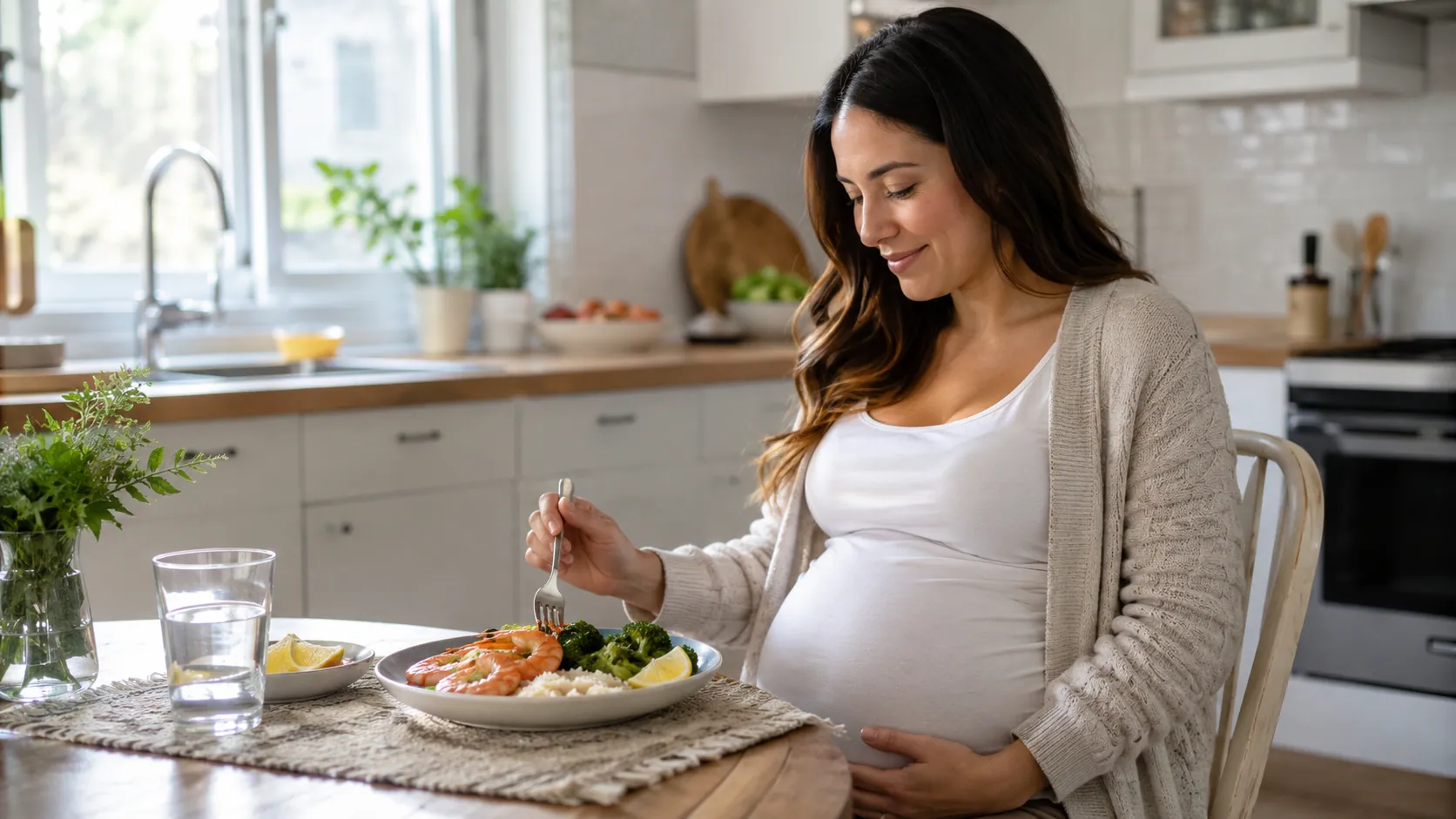
Can pregnant women eat shrimp? Yes, pregnant women can eat shrimp when it is fully cooked, prepared safely, and eaten in moderation. For many expecting mothers, seafood can feel confusing because some types are linked to mercury concerns, food poisoning risks, raw seafood safety, and baby health. The good news is that shrimp is generally considered one of the safer seafood choices during pregnancy because it is a low mercury seafood option.
Still, safe preparation matters. Cooked shrimp during pregnancy can be part of a healthy diet, but raw or undercooked shrimp should be avoided because it may carry harmful bacteria or other foodborne risks. This is why understanding basic seafood safety pregnancy guidelines is important before adding shrimp to your meals.
Is Shrimp Safe During Pregnancy?
Yes, fully cooked shrimp is generally safe during pregnancy. In fact, shrimp is often listed as one of the better seafood choices for pregnant women because it is a low mercury shrimp option. This makes it different from high-mercury fish such as shark, swordfish, king mackerel, marlin, orange roughy, bigeye tuna, and tilefish, which are usually avoided during pregnancy because too much mercury can be harmful to a baby’s developing brain and nervous system. The FDA and EPA recommend that pregnant or breastfeeding people choose 8 to 12 ounces per week of seafood that is lower in mercury, and March of Dimes includes shrimp among those lower-mercury choices.
That said, the answer to “is shrimp safe during pregnancy?” depends on how it is handled and prepared. Shrimp is safest for pregnant women when it meets three basic conditions: it is fully cooked, bought from a reliable source, and eaten within the recommended pregnancy seafood guidelines. This means choosing fresh or properly frozen shrimp from trusted stores or restaurants, avoiding shrimp that smells sour or looks slimy, and not eating large amounts of seafood beyond weekly guidance.
A simple doctor-style way to think about it is this: cooked shrimp is safe during pregnancy, but raw or undercooked shrimp is not worth the risk. Pregnancy can change the immune system, which may make foodborne illness more serious for both the mother and baby. For that reason, pregnant women should avoid raw shrimp, undercooked shrimp, and shrimp dishes where they cannot confirm proper cooking or safe storage.
How Much Shrimp Can Pregnant Women Eat?
Pregnant and breastfeeding women are generally advised to eat 8 to 12 ounces of low-mercury seafood per week, which equals about 2 to 3 servings. This guidance does not mean you should eat only shrimp. It means shrimp can be included as part of your weekly seafood choices, along with other low mercury seafood options. The FDA and EPA recommend choosing a variety of lower-mercury seafood during pregnancy, and shrimp is included among those lower-mercury choices.
| Amount | What It Means |
| 4 ounces cooked shrimp | About one adult serving |
| 8–12 ounces per week | About 2–3 seafood servings |
| Best approach | Rotate shrimp with salmon, sardines, cod, pollock, or catfish |
So, how much shrimp can pregnant women eat? A simple answer is that one serving of cooked shrimp can fit safely into a pregnancy diet, as long as your total weekly seafood intake stays within the recommended range. For example, you might have shrimp once, salmon once, and cod once in the same week. This gives your body different nutrients without relying on one food too often.
Eating shrimp every day is not necessary. A balanced pregnancy diet should include variety, including lean meats, eggs, beans, lentils, dairy, whole grains, fruits, vegetables, and safe seafood. If you already ate shrimp twice this week, a smart next choice may be another low-mercury seafood or a non-seafood protein such as chicken, eggs, yogurt, tofu, or lentils.
The key is shrimp moderation during pregnancy. Shrimp can be a healthy choice, but it should be part of an overall balanced diet rather than the main protein every day. This approach supports safer seafood servings during pregnancy while still giving you the benefits of low-mercury seafood.
Why Shrimp Can Be a Good Pregnancy Food
Shrimp can be a helpful food during pregnancy because it provides lean protein along with several nutrients that support a healthy diet. When it is fully cooked and eaten in moderation, shrimp can fit well into a balanced pregnancy meal plan.
One of the main benefits of shrimp during pregnancy is its protein content. Protein during pregnancy supports the growth of the baby’s tissues and also helps the mother maintain strength and energy. Shrimp is also naturally lower in fat than many heavier protein foods, which can make it easier to include in simple meals like rice bowls, pasta, soups, tacos, or stir-fries.
Shrimp also contains important micronutrients such as iodine, selenium, vitamin B12, choline, iron, and small amounts of omega-3 fatty acids. These nutrients each play a different role. Iodine during pregnancy supports thyroid function, which is important for growth and development. Selenium in shrimp helps support normal body functions, while vitamin B12 during pregnancy supports red blood cell formation and nervous system health. Choline during pregnancy is also important because it supports early brain and spinal cord development. The FDA and EPA note that fish and shellfish can provide nutrients such as omega-3 fats, iron, iodine, and choline that support pregnancy and early childhood development.
That said, shrimp should be seen as one helpful food, not a miracle food. It does not “guarantee” better baby development, and it should not replace a varied diet. The best pregnancy nutrition usually comes from a mix of safe proteins, whole grains, fruits, vegetables, dairy or calcium-rich foods, healthy fats, and low-mercury seafood choices.
A practical tip many pregnant women may find useful is that shrimp has a milder taste than strongly flavored fish. If pregnancy food aversions make salmon or sardines hard to eat, cooked shrimp may feel easier because it cooks quickly and blends well with gentle flavors like lemon, rice, pasta, avocado, or vegetables. This makes shrimp nutrition during pregnancy easier to enjoy without forcing foods that trigger nausea.
The Mercury Question: Is Shrimp Low in Mercury?
Mercury is a natural metal that can build up in some fish and seafood. In pregnancy, the main concern is methylmercury, a form of mercury that may affect a baby’s developing brain and nervous system when exposure is too high. Larger predatory fish usually contain more mercury because they eat smaller fish and live longer, allowing mercury to build up in their bodies over time.
The good news is that shrimp is considered low in mercury, which is one reason it is usually seen as a safer seafood choice during pregnancy. According to FDA and EPA seafood guidance, shrimp is included among the “best choices” for people who are pregnant or breastfeeding, while high-mercury fish should be avoided.
| Lower-Mercury Choices | Higher-Mercury Seafood to Avoid |
| Shrimp | Shark |
| Salmon | Swordfish |
| Pollock | King mackerel |
| Catfish | Bigeye tuna |
| Sardines | Marlin |
| Tilapia | Orange roughy |
For anyone worried about shrimp mercury pregnancy risks, the key point is simple: mercury in shrimp is generally low compared with many large fish. That makes shrimp a useful option for people looking for low mercury seafood during pregnancy.
However, low mercury does not mean unlimited intake. Pregnant women should still follow recommended seafood amounts and eat a variety of safe choices. Shrimp can be part of a healthy pregnancy diet, but it should be balanced with other low-mercury foods rather than eaten in large amounts every day.
Can Pregnant Women Eat Cooked Shrimp?
Yes, pregnant women can eat cooked shrimp, and cooking is the safest way to enjoy shrimp during pregnancy. Proper heat helps reduce the risk of harmful bacteria, parasites, and other foodborne germs that may be present in raw or undercooked seafood.
For fully cooked shrimp during pregnancy, the texture and color matter. Shrimp should be cooked until it is:
- Firm
- Opaque
- Pearly, white, or pink
- Not gray, glassy, or translucent
The FDA advises that most seafood should be cooked to an internal temperature of 145°F / 63°C. It also notes that shrimp, lobster, and crab should be cooked until the flesh becomes firm, pearly, and opaque.
Safe cooking methods include boiled shrimp, steamed shrimp, grilled shrimp, baked shrimp, and stir-fried shrimp. You can also add shrimp to soups, rice dishes, pasta, or curries, as long as the shrimp is cooked properly before serving. If shrimp is added near the end of cooking, make sure it still has enough time to turn fully opaque and firm.
A simple rule for safe shrimp preparation is this: if the shrimp still looks gray, soft, or slightly see-through in the center, keep cooking it. Cooked seafood during pregnancy should never feel like a guessing game. When in doubt, use a food thermometer or cook it a little longer until the shrimp clearly reaches a safe texture and color.
Can Pregnant Women Eat Raw Shrimp, Sushi Shrimp, or Ceviche?
Pregnant women should avoid raw or undercooked shrimp. While fully cooked shrimp can be a safe pregnancy food, raw shrimp may carry bacteria, parasites, or viruses that can cause foodborne illness. During pregnancy, food poisoning can be more serious because the immune system changes, and dehydration, fever, or infection may create extra risk for both the mother and baby.
This means pregnant women should be careful with foods such as raw shrimp sushi, shrimp ceviche, undercooked shrimp, cold raw seafood platters, and any shrimp that still looks translucent, gray, slimy, or unusually soft. If shrimp does not look fully cooked, it is better to avoid it.
Ceviche needs extra caution. It may look “cooked” because the shrimp sits in lemon or lime juice, but citrus juice does not make seafood as safe as proper heat cooking. Acid can change the color and texture of shrimp, but it does not reliably kill all harmful germs the way cooking to a safe temperature does.
For safer seafood safety pregnancy practices, choose shrimp that is fully cooked until firm, pearly, and opaque. The FDA advises pregnant women to avoid raw or undercooked seafood because of foodborne illness risks, including infections that may be more concerning during pregnancy. So, when it comes to raw shrimp pregnancy, shrimp sushi pregnancy, or ceviche pregnancy questions, the safest answer is simple: skip raw versions and choose cooked shrimp instead.
What About Frozen, Farm-Raised, Wild-Caught, or Pre-Cooked Shrimp?
Many articles explain that shrimp can be safe during pregnancy, but they do not always explain the different types of shrimp you may see at the store or in restaurants. This matters because frozen shrimp pregnancy, pre cooked shrimp pregnancy, farm raised shrimp pregnancy, and wild caught shrimp pregnancy questions are really about the same thing: how the shrimp was sourced, stored, handled, and prepared.
Frozen shrimp can be safe during pregnancy if it has been stored properly, thawed safely, and cooked fully before eating. The FDA recommends thawing frozen seafood gradually in the refrigerator overnight. If you need to thaw it faster, it can be sealed in a plastic bag and placed in cold water, or defrosted in the microwave only if it will be cooked right away. Avoid frozen shrimp packages that are torn, crushed, open, covered in heavy frost, or showing signs that the shrimp may have thawed and refrozen.
Pre-cooked shrimp can also be safe, but pregnant women should be more careful with storage and handling. If the shrimp has been sitting out, came from a buffet, or you are unsure how long it has been chilled, it is better to avoid it. When there is any concern, reheating shrimp during pregnancy until it is steaming hot is the safer choice. This is especially helpful for shrimp added to pasta, fried rice, soup, or stir-fry.
Farm-raised shrimp can be safe when it is bought from a reputable supplier, grocery store, or restaurant that follows proper food-safety standards. The same rule applies to wild-caught shrimp. Wild-caught does not automatically mean safer, and farm-raised does not automatically mean unsafe. What matters most is that the shrimp is fresh, properly chilled or frozen, fully cooked, and not cross-contaminated with raw seafood.
If shrimp is caught privately by family or friends, local water quality becomes important. The EPA and FDA advise checking local fish and shellfish advisories for seafood caught by family or friends. If there is no advisory, they recommend limiting it to one serving and eating no other fish that week. This is because some local waters may contain mercury or other contaminants that are not obvious by looking at the seafood.
For the safest approach, treat every type of shrimp the same way: buy it from a trusted source, keep it cold, thaw it safely, cook it fully, and avoid shrimp that smells sour, looks slimy, or has been left at room temperature. Good seafood storage during pregnancy is just as important as choosing the right seafood.
How to Buy, Store, and Prepare Shrimp Safely While Pregnant
Knowing how to prepare shrimp while pregnant is just as important as knowing whether shrimp is safe. Pregnancy food safety is not only about the food itself. It is also about handling, storage, and cooking temperature. Even low-mercury seafood can become risky if it is stored badly, left out too long, or cross-contaminated with raw foods.
When buying shrimp, choose shrimp that looks and smells fresh. It should not smell sour, spoiled, fishy, or ammonia-like. Fresh shrimp should be properly refrigerated or frozen, and frozen packages should not be torn, crushed, open, or covered with heavy ice crystals. The FDA advises avoiding seafood with a strong ammonia-like smell and choosing seafood that has been properly chilled or frozen.
For safer shrimp food safety during pregnancy, buy shrimp from a reputable grocery store, seafood counter, or restaurant. Avoid shrimp that is sitting at room temperature, displayed without enough ice, or sold in damaged packaging. If something smells off or looks slimy, it is better to skip it.
After buying shrimp, store shrimp safely by refrigerating it quickly. Keep raw shrimp away from ready-to-eat foods such as salads, fruit, sauces, bread, or cooked meals. Raw seafood juices can spread bacteria to foods that will not be cooked again. Cooked shrimp should also be refrigerated soon after serving and used within a safe time window. Repeatedly thawing and refreezing shrimp is not a good habit because it can affect quality and may increase handling risks.
When preparing shrimp at home, wash your hands before and after touching raw shrimp. Use separate cutting boards, plates, and utensils for raw seafood and cooked foods. This helps reduce cross contamination during pregnancy, especially when preparing shrimp with salads, pasta, rice, sauces, or vegetables.
Shrimp should be cooked thoroughly before eating. A safe shrimp should look firm, pearly, and opaque, not gray or translucent. If you use a food thermometer, seafood should reach 145°F / 63°C. For the safest approach, cook shrimp fully and serve it hot, especially if you are reheating leftovers or using pre-cooked shrimp in a meal.
Shrimp Dishes Pregnant Women Can Usually Eat
There are many safe shrimp dishes during pregnancy as long as the shrimp is fully cooked, handled properly, and served fresh. The safest meals are usually the ones where the shrimp is cooked with heat until it becomes firm, pearly, and opaque.
Pregnant women can usually eat dishes such as shrimp pasta, shrimp tacos, shrimp stir-fry, shrimp curry, garlic shrimp, shrimp fried rice, shrimp soup, grilled shrimp skewers, boiled shrimp, and shrimp salad made with freshly cooked shrimp. These meals can be healthy and satisfying when they are prepared with safe ingredients and not left sitting out for too long.
For example, shrimp pasta during pregnancy can be a good option when the shrimp is cooked fully and added to a fresh sauce. Shrimp tacos during pregnancy are usually fine if the shrimp is grilled, sautéed, or baked properly and served with fresh toppings. Shrimp fried rice during pregnancy can also be safe when the shrimp and rice are cooked thoroughly and served hot.
Shrimp soup, curry, and stir-fry are often practical choices because the shrimp is cooked in high heat and served warm. Boiled shrimp and grilled shrimp skewers can also be safe, but the shrimp should not look gray, soft, or translucent in the center.
If eating out, be extra careful with restaurant shrimp during pregnancy. Ask whether the shrimp is fully cooked and served hot. Avoid buffet shrimp, seafood trays, or cold shrimp that may have been sitting out for too long. Even if shrimp was cooked at first, poor storage can make it less safe.
Shrimp Dishes Pregnant Women Should Avoid or Be Careful With
Some shrimp dishes need extra caution during pregnancy because they may be raw, undercooked, cold, poorly stored, or handled in a way that increases food-safety risk. Shrimp itself can be a safe pregnancy food when cooked properly, but the way it is prepared and served matters a lot.
Pregnant women should avoid or be careful with shrimp ceviche, raw shrimp sushi, cold shrimp from buffets, shrimp cocktail if storage is uncertain, undercooked grilled shrimp, leftover shrimp kept too long, seafood from questionable vendors, and shrimp dishes covered in very high-sodium sauces if blood pressure or swelling is a concern.
Shrimp ceviche while pregnant is best avoided because citrus juice does not make shrimp as safe as heat cooking. Even if the shrimp looks “cooked” from lime or lemon juice, it may still carry bacteria, viruses, or parasites. Raw shrimp sushi should also be avoided unless the shrimp is fully cooked and prepared safely.
Cold shrimp needs more care. Buffet shrimp during pregnancy can be risky if it has been sitting out for too long or has not been kept at a safe temperature. The same goes for seafood trays, party platters, and cold shrimp served at events where you cannot confirm how long it has been out.
Shrimp cocktail during pregnancy is not automatically unsafe. It can be okay if the shrimp is fully cooked, properly chilled, fresh, and served from a trusted source. However, it requires more caution because it is served cold. If the shrimp smells odd, feels slimy, looks old, or has been sitting out, it is better to skip it.
Leftovers also need care. Leftover shrimp during pregnancy should only be eaten if it was refrigerated quickly, stored properly, and reheated until steaming hot. If you are unsure how long it has been in the fridge or whether it sat out after cooking, do not take the risk.
When Should Pregnant Women Avoid Shrimp?
Shrimp can be safe for many pregnant women, but it may not be the right choice for everyone. Some people should avoid shrimp during pregnancy or only eat it after getting advice from a healthcare professional.
Pregnant women should avoid or limit shrimp if they have a shellfish allergy, have had a bad reaction to shrimp before, or were told by a doctor to follow a special diet. A shrimp allergy while pregnant should be taken seriously because allergic reactions can range from mild itching or stomach discomfort to more serious symptoms such as swelling, breathing trouble, or dizziness.
It is also better to avoid shrimp if you cannot confirm that it is fully cooked. Shrimp that looks gray, translucent, slimy, or smells strange should not be eaten. The same rule applies if the shrimp was stored poorly, left at room temperature, or bought from a place that does not seem clean or reliable.
Pregnant women should also be careful with shrimp or shellfish caught from local waters. Some areas may have seafood contamination pregnancy concerns due to mercury, chemicals, or pollution. If shrimp is caught by family or friends, check local fish and shellfish advisories before eating it.
Anyone who notices symptoms after eating shrimp should contact a healthcare professional, especially during pregnancy. Warning signs may include vomiting, diarrhea, fever, stomach cramps, rash, swelling, or trouble breathing. In pregnancy, it is always better to ask for medical guidance early rather than waiting for symptoms to become worse.
What If You Accidentally Ate Raw or Undercooked Shrimp While Pregnant?
If you ate raw shrimp while pregnant or realized the shrimp was undercooked after taking a bite, try not to panic. One accidental bite does not always mean something bad will happen. However, it is important to pay attention to how you feel because raw or undercooked shrimp can sometimes cause foodborne illness.
After eating questionable shrimp, monitor yourself for possible food poisoning pregnancy symptoms, such as nausea, vomiting, diarrhea, fever, chills, stomach cramps, dehydration, or unusual weakness. These symptoms can appear within hours, but some infections may take longer to show up.
If the shrimp was clearly raw, smelled bad, looked slimy, or came from an unsafe source, it is wise to call your doctor, midwife, or local urgent care for guidance. You should also contact a healthcare professional if any symptoms appear, especially fever, ongoing vomiting, diarrhea, strong stomach pain, dehydration, or weakness.
Shrimp by Trimester: Is It Safe in the First, Second, and Third Trimester?
Cooked shrimp can generally be eaten in all three trimesters of pregnancy, as long as it is fully cooked, handled safely, and eaten in moderation. The basic safety rule stays the same from early pregnancy to late pregnancy: avoid raw or undercooked shrimp, choose low-mercury seafood, and make sure the shrimp is fresh and properly prepared.
During the first trimester, food aversions, nausea, and smell sensitivity can make seafood difficult for some women. If shrimp sounds unpleasant, there is no need to force it. But if you can tolerate it, shrimp in the first trimester can be a simple lean protein option. Mildly seasoned, fully cooked shrimp with rice, pasta, soup, or vegetables may be easier to eat than stronger-smelling fish.
In the second trimester, many pregnant women feel their appetite improve. This can be a good time to include safe seafood choices like shrimp as part of a balanced diet. Shrimp in the second trimester can add protein, vitamin B12, iodine, selenium, choline, and small amounts of omega-3 fatty acids. These nutrients can support general pregnancy nutrition when shrimp is eaten along with other healthy foods.
During the third trimester, the focus is often on comfort, digestion, and safe preparation. Shrimp in the third trimester can still be safe, but it is smart to choose lighter meals and avoid very heavy sauces if they trigger heartburn. If swelling or blood pressure is a concern, be careful with salty shrimp dishes, packaged sauces, fried shrimp, or restaurant meals that may be high in sodium.
So, whether you are eating shrimp early in pregnancy or enjoying shrimp late in pregnancy, the safest approach is the same: choose fully cooked shrimp, eat it in reasonable portions, and avoid any shrimp that is raw, poorly stored, or uncertain in quality.
Shrimp vs. Other Seafood During Pregnancy
Shrimp is a good option during pregnancy, but it is not the only safe seafood choice. The best approach is to eat a variety of low mercury fish during pregnancy instead of relying on shrimp every time. Different seafood choices provide different nutrients, flavors, and amounts of omega-3 fatty acids.
| Seafood | Pregnancy Note |
| Shrimp | Low mercury and safe when fully cooked |
| Salmon | Low mercury and rich in omega-3 fatty acids |
| Sardines | Nutrient-dense and low in mercury |
| Cod | Usually low in mercury and mild in taste |
| Canned light tuna | Can fit in moderation as part of weekly seafood intake |
| Swordfish, shark, king mackerel | Avoid during pregnancy because they are high in mercury |
When comparing shrimp vs salmon during pregnancy, shrimp is mild, quick to cook, and high in lean protein, while salmon usually provides more omega-3 fatty acids. Sardines are also a strong choice because they are small, nutrient-dense, and usually low in mercury. Cod is another gentle-tasting option for people who want a lighter fish.
Canned light tuna can be included in moderation, but it should not be confused with higher-mercury tuna choices such as bigeye tuna, which should be avoided during pregnancy. FDA and EPA guidance places shrimp, salmon, sardines, cod, catfish, pollock, and canned light tuna among lower-mercury choices, while fish such as shark, swordfish, king mackerel, marlin, orange roughy, bigeye tuna, and some tilefish are listed as choices to avoid.
The simple takeaway is that shrimp can be part of the best seafood during pregnancy, but variety is better. Rotating shrimp with salmon, sardines, cod, pollock, catfish, or canned light tuna helps keep meals balanced while following safer seafood choices during pregnancy.
Common Myths About Eating Shrimp While Pregnant
There are many pregnancy seafood myths, and they can make simple food choices feel stressful. Shrimp is one of the foods that often causes confusion because people hear different advice about mercury, raw seafood, sushi, and food poisoning. Here are some common myths explained in a clear and practical way.
Myth 1: Pregnant Women Must Avoid All Seafood
This is false. Pregnant women do not need to avoid all seafood. In fact, low-mercury, fully cooked seafood can be part of a healthy pregnancy diet. Seafood such as shrimp, salmon, sardines, cod, pollock, and catfish can provide important nutrients like protein, iodine, vitamin B12, choline, and omega-3 fatty acids.
The key is choosing the right seafood and preparing it safely. High-mercury fish should be avoided, but safe fish and shellfish can still fit into pregnancy meals.
Myth 2: Shrimp Is High in Mercury
This is also false. The shrimp mercury myth is common, but shrimp is generally considered a low-mercury seafood. That is one reason many pregnancy seafood guidelines include shrimp as a safer choice when it is fully cooked.
Still, low mercury does not mean unlimited portions. Shrimp should be eaten in moderation as part of the recommended weekly amount of low-mercury seafood.
Myth 3: Ceviche Is Safe Because Lemon Juice “Cooks” It
This is not reliable. Lemon or lime juice can change the color and texture of shrimp, but it does not make raw seafood as safe as heat cooking. During pregnancy, ceviche safety is a real concern because raw or undercooked shrimp may carry bacteria, parasites, or viruses.
For pregnant women, heat-cooked shrimp is the safer choice. Shrimp should be cooked until it is firm, pearly, and opaque.
Myth 4: If Shrimp Is Pink, It Is Always Safe
Not always. Color can help, but it should not be the only sign of safety. Some shrimp may look pink but still be poorly stored, old, cross-contaminated, or not heated properly all the way through.
Safe shrimp should be fully cooked, fresh, properly stored, and handled carefully. When it comes to cooked shrimp myths, the best rule is to look at the full picture: color, texture, smell, storage, and cooking method all matter.
FAQ
Can pregnant women eat shrimp?
Yes, pregnant women can eat shrimp if it is fully cooked and eaten in moderation. Shrimp is generally considered a low-mercury seafood choice, which makes it safer than high-mercury fish when prepared properly. FDA/EPA guidance recommends 8–12 ounces per week of lower-mercury seafood during pregnancy.
Can pregnant women eat shrimp cocktail?
Yes, pregnant women can eat shrimp cocktail if the shrimp is fully cooked, fresh, properly chilled, and from a trusted source. Because shrimp cocktail is served cold, avoid it if it has been sitting out, smells unusual, looks slimy, or comes from an uncertain buffet or seafood tray.
Can pregnant women eat fried shrimp?
Yes, fried shrimp during pregnancy can be eaten if the shrimp is fully cooked. However, it is better as an occasional choice because fried foods can be heavy, greasy, and high in fat. Grilled, boiled, steamed, baked, or stir-fried shrimp are usually lighter everyday options.
Can pregnant women eat shrimp sushi?
Cooked shrimp sushi may be okay if it is prepared safely and there is no cross-contamination with raw seafood. Raw shrimp sushi should be avoided during pregnancy because raw or undercooked seafood can carry bacteria, parasites, or viruses. The FDA warns pregnant women to avoid raw or undercooked seafood because of foodborne illness risk.
Can pregnant women eat shrimp every week?
Yes, shrimp can be included every week as part of the recommended 8–12 ounces of low-mercury seafood per week. This total should include a variety of seafood, not only shrimp. Rotating shrimp with salmon, sardines, cod, pollock, or catfish is a better approach.
Is shrimp high in mercury?
No, shrimp is generally considered low in mercury. That is why it is often included among safer seafood choices for pregnancy. Still, low mercury does not mean unlimited portions. Moderation and variety are still important.
Can pregnant women eat leftover shrimp?
Yes, leftover shrimp during pregnancy can be eaten only if it was refrigerated quickly, stored properly, and reheated thoroughly. If leftover shrimp smells odd, feels slimy, sat out too long, or you are unsure how it was stored, it is safer to throw it away.
Conclusion
So, can pregnant women eat shrimp? Yes, shrimp can be safe during pregnancy when it is fully cooked, properly stored, and eaten in moderate amounts. It is considered a low-mercury seafood, which makes it a better choice than high-mercury fish such as shark, swordfish, king mackerel, and bigeye tuna.
Cooked shrimp while pregnant can also provide helpful nutrients, including lean protein, vitamin B12, iodine, selenium, choline, iron, and small amounts of omega-3 fatty acids. These nutrients can support a balanced pregnancy diet when shrimp is eaten along with other healthy foods.
The most important rule is to avoid raw or undercooked shrimp. Shrimp should be cooked until it is firm, pearly, and opaque, and it should be bought, stored, and prepared with good pregnancy food safety habits. Pregnant women should also follow the general guideline of 8–12 ounces of low-mercury seafood per week, including a variety of safe seafood choices.
Disclaimer: This article is for general informational purposes only and should not replace advice from a qualified doctor, midwife, dietitian, or healthcare professional. Pregnancy needs, food tolerances, allergies, and medical situations can vary from person to person. If you have concerns about eating shrimp during pregnancy, seafood safety, allergies, or symptoms after eating seafood, speak with your healthcare provider for personal guidance.