

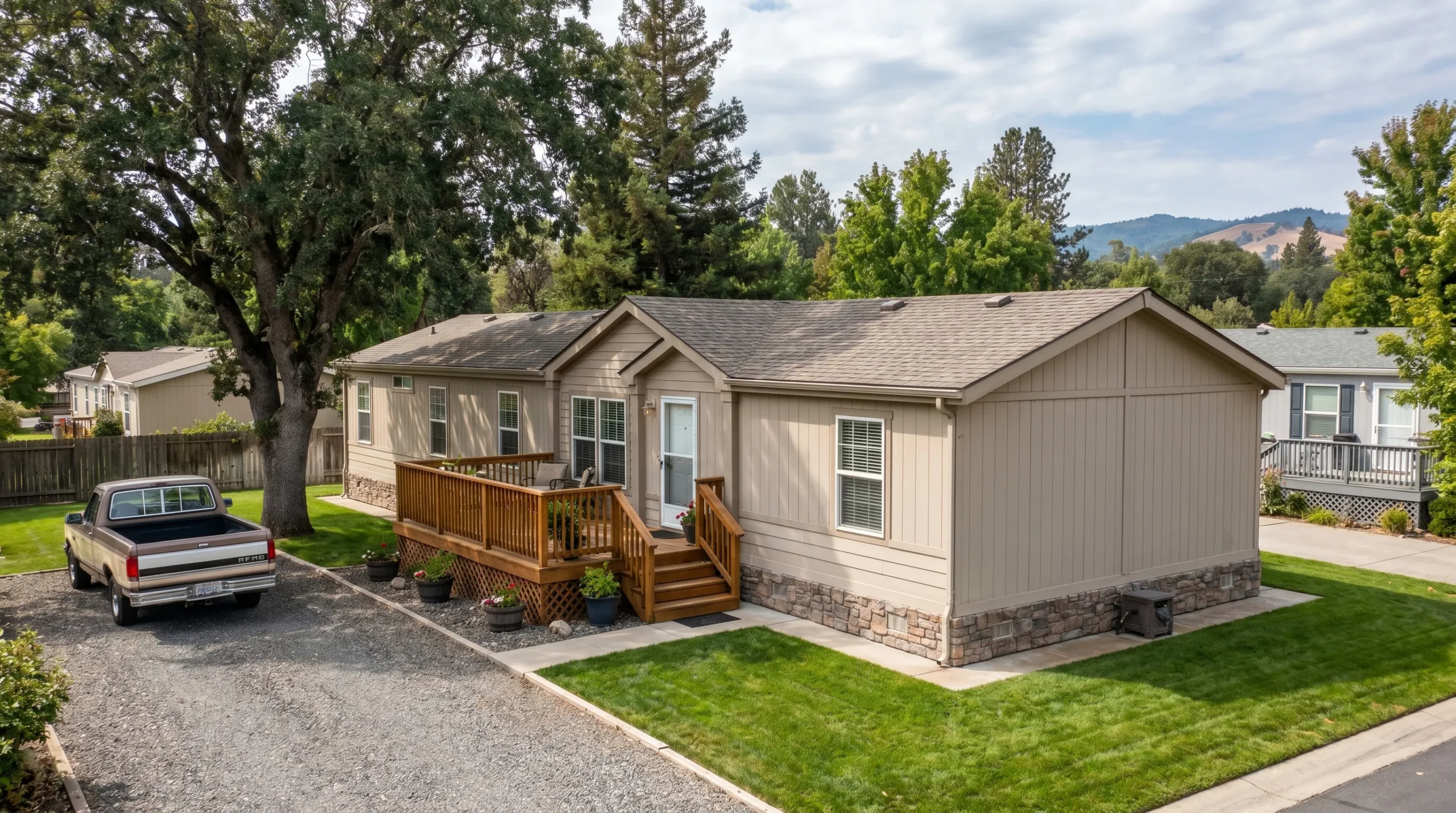
How long will a manufactured home last is one of the most common questions buyers and homeowners ask when comparing affordable housing options. The honest answer is that a manufactured home can last for decades—often 30 to 55 years or more—but its real lifespan depends on several factors, including when it was built, whether it was built after 1976, how well it was installed, the type of foundation, local climate, and how carefully it has been maintained over time.
That is why there is no single expiration date stamped on a manufactured home lifespan. Two homes built in the same year can age very differently. One may still feel solid and comfortable after many decades, while another may develop major problems much sooner because of moisture intrusion, poor drainage, roofing neglect, shifting supports, or weather-related damage. In other words, manufactured home life expectancy is shaped less by myth and more by maintenance, construction quality, and environment.
In this guide, you will get a direct answer, a realistic look at what affects manufactured home durability, and practical advice on how to help your home last longer. You will also learn how mobile homes, manufactured homes, and modular homes differ, what buyers should check in an older unit, and whether a manufactured home can be a true long-term housing option.
The Short Answer: How Long Do Manufactured Homes Last?
If you want the fast version, how long do manufactured homes last usually comes down to this: many can last 30–50 years, and some last 55 years or more when they are well built, properly installed, and consistently maintained. In favorable conditions, some owners see homes remain functional far beyond the average range.
A big part of the answer depends on whether the home is a true manufactured home or an older mobile home. The year 1976 matters because that was the point when federal HUD manufactured home standards took effect. Homes built post-1976 follow the HUD code, which brought stronger rules for construction standards, fire safety, structural integrity, energy use, and transport requirements. Older pre-1976 units are often what people still picture when they hear the term mobile home, and those homes can vary much more in quality and performance.
So when someone asks, “how long is a manufactured home expected to last?”, the smarter answer is not just a number. It is this: a modern, well-kept manufactured home can provide many decades of dependable use, while a neglected one can age quickly even if it is not very old.
What Affects the Lifespan of a Manufactured Home?
The biggest reason people search what factors affect the lifespan of a manufactured home is because they already know there is more to the story than age. The true drivers of manufactured home longevity are surprisingly practical.
The first is construction quality. Modern homes built in controlled factory environments often benefit from better quality control than many people expect. Materials such as wood, metal, insulation, OSB sheathing, sealed joints, and engineered framing all play a role in how well the structure holds up over time.
The second factor is installation quality. A home that sits on a stable base with proper anchoring systems, good site preparation, and correct leveling is more likely to resist stress, shifting, and water-related damage. A poorly set home can experience cracks, uneven floors, sticking doors, and extra strain on walls and roof lines.
The third major factor is maintenance. Even a solid home can decline if roof leaks are ignored, siding is not protected, skirting gets damaged, or plumbing issues are allowed to spread moisture under the structure. This is where many lifespan problems begin—not with the original build, but with years of deferred care.
The fourth is climate and location. Anyone asking does location or climate affect the lifespan of manufactured homes should know the answer is absolutely yes. High humidity, heavy storms, harsh winters, freeze-thaw cycles, intense sun, and poor drainage all speed up wear.
Finally, upgrades matter. Newer windows, better insulation, improved roofing, proper ventilation, and drainage corrections can all extend useful life. That is why some homes continue performing well after 50+ years, while others struggle much earlier.
Manufactured Home vs Mobile Home vs Modular Home
A lot of confusion around manufactured homes vs site-built homes begins with terminology. Many people still use mobile home as a catch-all term, but that is not quite accurate.
An older mobile home usually refers to a home built before 1976. A manufactured home is a home built after that date under the federal HUD code. A modular home is different again. It is also factory-built, but it is generally assembled to local or state building codes more similar to a site-built house.
This distinction matters because when people ask whether manufactured homes are temporary vs permanent housing, they are often mixing together very different products. Modern manufactured homes are not the same as older pre-HUD units. They are built to more consistent standards, often include energy-efficient windows, better insulation, stronger framing, and improved layouts, and they can serve as comfortable homes for a very long time.
A helpful way to think about it is this: the question is not whether manufactured housing is “real housing.” The better question is whether the specific home was well built, well installed, and well maintained. That is what determines whether it becomes a durable home or a costly project.
How Construction Standards Changed After 1976
The year 1976 is one of the most important NLP entities in this topic because it marks the start of federal HUD Manufactured Home Construction and Safety Standards. That change improved consistency across the industry and addressed the very concerns many buyers still have today.
Homes built under the HUD code had to meet clearer standards for fire safety, roof construction, structural performance, transport durability, and energy-related features. That does not mean every home built after 1976 is perfect, but it does mean that manufactured home construction standards became more predictable.
This is why post-1976 manufactured homes are often viewed differently by buyers, lenders, and inspectors. If you are asking how have manufactured home construction standards changed over time, the short answer is that newer homes generally benefit from stronger oversight and more standardized engineering than many older units did.
That shift also matters for older manufactured home inspection decisions. A buyer looking at a home built after 1976 still needs to inspect it carefully, but the starting point is different from evaluating a much older pre-HUD model with unclear materials, outdated systems, or weaker performance history.
How Maintenance Changes How Long a Manufactured Home Lasts
If there is one controllable factor that most directly affects how long will a manufactured home last, it is maintenance. This is where the myth of “disposable housing” often falls apart. A well-cared-for home can age far better than a neglected one, even if both started with similar build quality.
Think of maintenance in layers. The roof is the first layer because even a small leak can become a big problem. A repair that costs $200 today can turn into $15,000 structural damage if water keeps moving through the ceiling, insulation, walls, and floors. That is why roof inspections matter.
The second layer is the exterior shell. Siding maintenance, window seals, paint, doors, and skirting all protect the structure from water and air intrusion. Repainting or sealing vulnerable areas every 2–3 years or every 3–5 years, depending on the material and climate, can help prevent much larger issues later.
The third layer is under the home. Damaged skirting, poor ventilation, standing water, and weak drainage can create ideal conditions for moisture intrusion, mold, pests, and rot. This is also where many owners overlook the importance of manufactured home skirting ventilation and underbelly protection.
The fourth layer is mechanical care. HVAC systems, furnace maintenance, air conditioning units, plumbing, and electrical components all affect comfort, efficiency, and long-term wear. A manufactured home that gets twice yearly or annually checkups on critical systems will usually age more gracefully than one that does not.
A Simple Manufactured Home Maintenance Checklist
| Area | What to Check | Suggested Timing |
|---|---|---|
| Roof | Leaks, soft spots, flashing, sealant | Annually |
| Siding & paint | Cracks, peeling, gaps, water entry points | Every 2–3 years |
| Windows & doors | Drafts, seal failure, sticking | Annually |
| Skirting & underbelly | Openings, moisture, pests, damage | Twice yearly |
| Drainage | Water pooling, downspout flow, grading | Twice yearly |
| HVAC & furnace | Filter changes, servicing, airflow | Annually |
| Leveling/foundation | Settling, sloped floors, alignment issues | As needed |
Foundation, Installation, and Anchoring: The Hidden Lifespan Factors
Many people focus on the walls and roof but forget the hidden systems below. Yet foundation type and installation quality can make a huge difference in manufactured home durability.
A home placed on a stable, well-drained base is more likely to perform well over time. Common support systems include concrete slab, crawlspace, pier and beam, and in some cases a full basement. Each can work well if designed and maintained properly. The problem is not always the type itself. The real issue is whether the home was installed correctly, anchored securely, and protected from water.
This also connects to permanent foundations and financing. A home on a proper permanent foundation may be easier to finance and may hold value better than one treated more like movable personal property. That is why permanent foundation and financing is such an important topic for buyers.
If you are comparing pier and beam vs slab for manufactured homes, remember that the best foundation for a manufactured home depends on local soil, drainage, weather, and installation quality. The wrong setup in the wrong environment can lead to settling, shifting, stress at connection points, and early structural wear.
Climate, Moisture, and Weather Exposure
When homeowners ask how climate affects manufactured home lifespan, they are asking the right question. Environment shapes longevity more than many buyers realize.
In high humidity areas, moisture can build under the home and around vulnerable seals. In coastal areas, salt air can increase wear on exposed components. In cold regions, freeze-thaw cycles can affect drainage, supports, and ground stability. In storm-prone places, heavy storms, wind exposure, and roof stress matter much more.
That is why manufactured home wind zone and storm readiness deserve more attention than most competitors give them. A home that is well anchored, properly skirted, and protected from water can perform much better than one in the same climate with poor drainage and weak maintenance habits.
Moisture is often the real villain. It leads to mold, rot, soft flooring, and hidden damage that reduces structural reliability. Using a good manufactured home moisture barrier, checking drainage, and improving ventilation under the home can make a noticeable difference over the years.
How Long Do Key Parts Last? Roof, Siding, Skirting, HVAC, and Flooring
One reason competitors miss search intent is that they talk about the house as a whole instead of the parts that actually wear out first. A more useful question is not only “how long do manufactured homes last?” but also “how long does a manufactured home roof last?”
The roof is usually one of the first major systems owners worry about. Its lifespan depends on material, climate exposure, and maintenance. An owner who checks the roof annually and fixes problems early can extend performance significantly.
Siding can also last a long time, but only if it is kept sealed and protected from repeated water exposure. If you are wondering when to replace siding on a manufactured home, the answer depends on cracking, warping, repeated moisture issues, or visible breakdown rather than age alone.
Skirting and the underbelly are especially important because they protect plumbing, insulation, and structural components from water, pests, and temperature swings. This is why manufactured home underbelly repair is such a valuable maintenance topic.
HVAC systems, furnaces, flooring materials like linoleum, subfloor layers such as OSB sheathing, and window seals also deserve regular attention. In many homes, these smaller systems reveal aging earlier than the main frame itself.
Signs a Manufactured Home Is Aging Poorly
People searching signs a manufactured home is aging badly usually want help deciding whether a home is a manageable project or a risky purchase. The warning signs are often visible if you know what to look for.
Soft or spongy floors can signal long-term water damage. Stains on ceilings or walls may suggest roof leaks. Doors and windows that no longer close properly can point to settling or leveling problems. Sagging rooflines, cracked skirting, persistent musty smells, and standing water below the home are also red flags.
A home that is 50 years old is not automatically a bad buy, but age makes careful inspection more important. What matters is condition, repair history, and whether the underlying issues are cosmetic or structural.
As one practical rule, never assume that a cheap repair estimate tells the full story. What looks like a small surface issue can hide serious moisture problems underneath.
Can a Manufactured Home Last as Long as a Site-Built House?
This is one of the most emotionally loaded questions in the topic. Many buyers ask is the life expectancy of a manufactured home shorter than a traditional house because they want a fair comparison, not a sales pitch.
The truth is that a site-built house often has an advantage in market perception, customization, and sometimes long-term appreciation. But that does not mean a manufactured home cannot be a strong long-term housing option. A modern home with good installation, proper maintenance, solid drainage, and upgrades can deliver decades of dependable use.
The biggest difference is often not the label. It is the setup and the care. A poorly maintained traditional home can perform badly too. A well-maintained manufactured home can remain practical, comfortable, and structurally sound for a long time.
Do Manufactured Homes Appreciate or Depreciate Over Time?
Another major question tied to lifespan is whether the home will hold value. Buyers naturally ask can manufactured homes hold or increase value over time and does a manufactured home appreciate or depreciate.
The answer depends on several variables. Homes placed on owned land with a permanent foundation, good condition, documented upgrades, and strong local demand may perform much better than homes in less favorable situations. Financing type matters too. Chattel loan vs mortgage for manufactured homes is an important distinction because it affects affordability, resale, and buyer access.
This is also where manufactured home appraisal and resale value become important. A home that has been upgraded, kept dry, and placed on a stable foundation often presents much better than one with deferred maintenance or unclear records. Lifespan and value are closely connected because buyers and lenders both look at physical condition as a sign of future risk.
How to Make a Manufactured Home Last Longer
If you want to know what can I do to make my manufactured home last longer, the best answer is to focus on water, air, support, and records.
Keep water moving away from the home. Check the roof, gutters, drainage, and grading. Protect skirting and the underbelly. Maintain window seals and exterior finishes. Service plumbing and HVAC systems before small problems grow. Re-level the home when needed. Improve insulation and ventilation where it makes sense.
Energy upgrades that extend manufactured home life can also help. Better windows, improved insulation, sealed joints, and moisture control reduce stress on the structure and on daily living systems. Mold prevention under a manufactured home is especially important in wet regions.
A good habit is to document every repair and inspection. That not only helps you plan future care, but also supports resale value later.
Buyer Checklist: What to Look for Before Buying an Older Manufactured Home
Anyone asking what should buyers look for when evaluating an older manufactured home is thinking beyond the headline lifespan number. That is smart.
Start with the home’s age and verify whether it is post-1976. Check the roof condition, siding, skirting, and underbelly. Look under sinks and around windows for signs of moisture. Walk the floors and note any soft spots or uneven areas. Open and close doors and windows to see whether the frame feels square. Ask about repairs, leveling history, HVAC age, and plumbing updates.
This is also the time to think about manufactured home insurance requirements, foundation type, and whether financing may be easier or harder depending on how the home is classified. A careful inspection now can save you from expensive surprises later.
Four Smart Questions Before Buying
- Was the home built before or after 1976?
- Has it had water, roof, or leveling issues?
- Is the foundation stable and well drained?
- Are there records of repairs and upgrades?
Single-Wide vs Double-Wide: Is There a Lifespan Difference?
A lot of buyers ask about single-wide vs double-wide lifespan, but the answer is not as simple as “one always lasts longer.” In reality, both can last a long time if they are built well and cared for properly.
A double-wide may feel more like a traditional house because of its width, layout, and room arrangement, but lifespan still depends on installation quality, roof design, maintenance, climate, and material condition. A single-wide that stays dry, level, and well maintained may outlast a larger home that is poorly cared for.
So while people often assume size alone determines durability, the real answer comes back to the same fundamentals: foundation, moisture control, maintenance quality, and environment.
Frequently Asked Questions
Can a manufactured home last 100 years?
Some people point to ranges like 100+ years, but that should be treated carefully. A few homes may remain usable for a very long time, but most buyers should focus on realistic performance, condition, and maintenance rather than extreme examples.
Is a 20- or 30-year-old manufactured home worth buying?
Yes, it can be, especially if it is in good condition, built after 1976, and shows a strong maintenance history.
Does a permanent foundation increase lifespan?
A good permanent foundation can improve stability, drainage performance, financing options, and long-term durability.
Are manufactured homes safe in storms?
Safety depends on build standards, anchoring, setup, and local conditions. In storm-prone areas, wind zone requirements and proper installation matter a lot.
Do manufactured homes lose value faster than regular houses?
Some do, but not all. Value depends on land, condition, foundation, local demand, and financing structure.
Conclusion
So, how long will a manufactured home last? In many cases, the answer is 30 to 55 years or more, and some homes do even better. But the number alone never tells the whole story. Manufactured home lifespan depends on 1976-era standards and later improvements, installation quality, foundation type, moisture control, climate exposure, and how seriously the home has been maintained over time.
The most useful way to think about a manufactured home is not as temporary or disposable housing, but as a structure whose future depends on care. A buyer who understands HUD code homes, checks for warning signs, and pays attention to drainage, roofing, and repairs can make a much smarter decision. And an owner who follows a consistent manufactured home maintenance checklist can greatly improve the odds that the home remains comfortable, efficient, and valuable for decades.
Disclaimer:
This article is for general informational purposes only. It explains typical lifespan, maintenance, and durability factors for manufactured homes, which can vary by build year, installation, and climate. Readers should consult professionals before making housing decisions.