

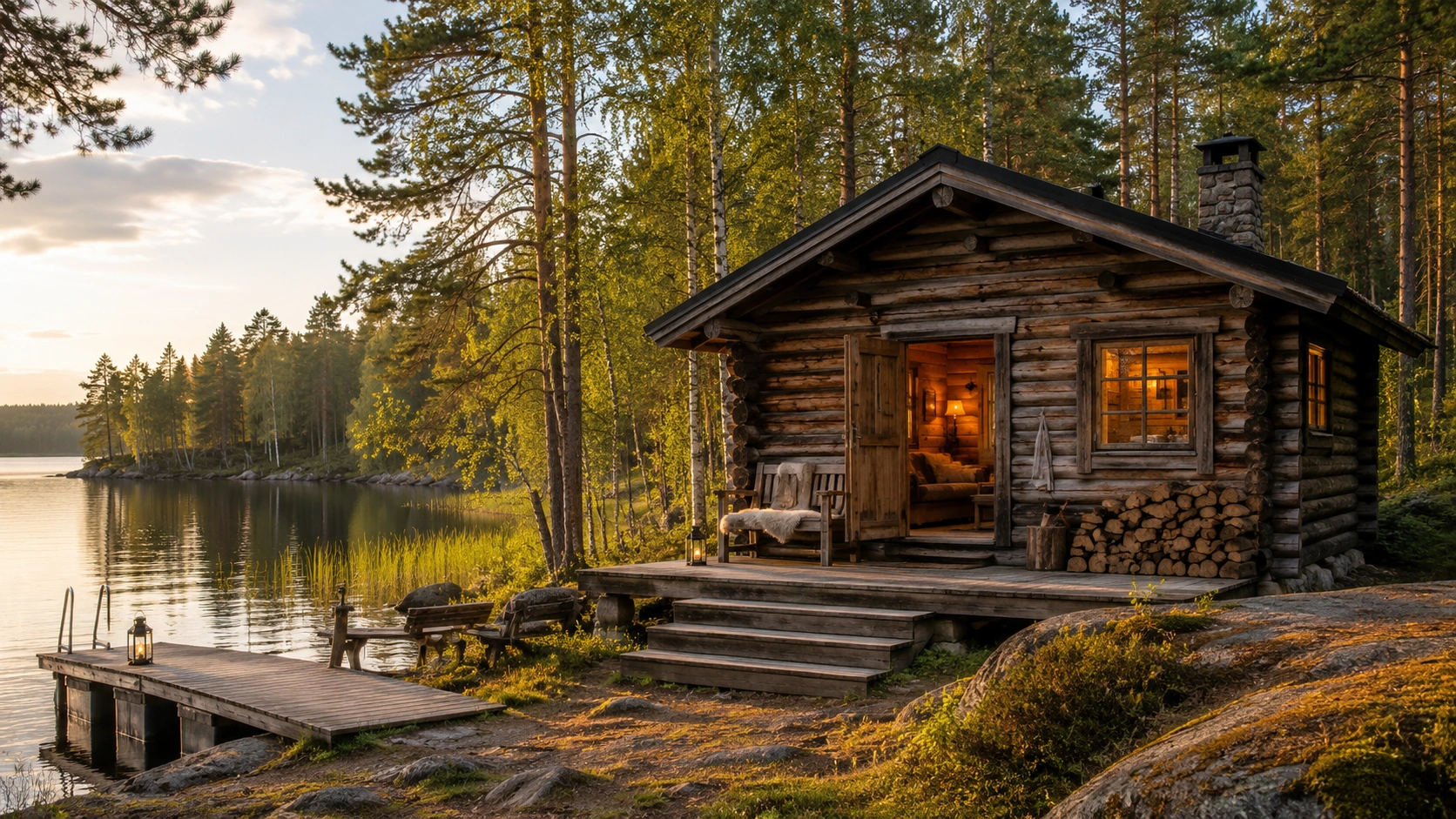
Tiimatuvat is a term many people search for when they want to understand Finnish-style wooden cabins, simple shelter, nature-based living, and the deeper cultural idea of shared spaces. At first, the word may feel confusing because it appears online in different ways. Some sources connect tiimatuvat with traditional Finnish cabins, tiimatupa spaces, wilderness shelters, and sauna cabins. Others use it more broadly to describe community living, teamwork, or a slower, more sustainable way of life.
The best way to understand tiimatuvat is as a flexible modern search term linked to Finnish wooden cabins, traditional Finnish architecture, Nordic outdoor culture, and life close to nature. It brings together ideas of wood construction, natural materials, quiet forests, shared responsibility, and sustainable living.
This guide explains what tiimatuvat means, how it relates to tiimatupa, mökki, and saunatupa, what these cabins look like, and why they matter in modern travel, design, and lifestyle conversations.
What Are Tiimatuvat?
Tiimatuvat can be understood as Finnish-style wooden cabin spaces connected with shelter, simplicity, community, and nature. In many online explanations, the term is used for traditional Finnish cabins, wooden shelters, or shared cabin-like spaces where people rest, gather, or spend time close to the outdoors.
A tiimatupa is often described as a singular cabin, hut, or shared room, while tiimatuvat may be treated as the plural or broader concept. Because the term is not always used consistently, it is important to avoid one strict definition. A practical definition would be:
Tiimatuvat are best understood as Finnish-inspired wooden cabin spaces associated with nature, simple living, shared use, and sustainable design.
This meaning connects strongly with Finnish cabins, traditional Finnish dwellings, log houses, and sauna cabins. These spaces are usually imagined as cozy, wooden, and practical. They may include thick wooden walls, fireplaces, stoves, small sleeping areas, and compact interiors designed for warmth and comfort.
People search for what are tiimatuvat because they may see the word linked to travel, Finnish culture, cabin architecture, or even teamwork. That mixed usage creates confusion, but it also makes the topic interesting. In its strongest SEO and cultural sense, tiimatuvat belongs closest to the world of Finnish wooden cabins, Nordic design, slow living, and community-centered shelter.
Is Tiimatuvat a Real Finnish Word?
One of the most common questions is: is tiimatuvat a Finnish word? The honest answer is that the term appears to be used online in different ways, and it does not have the same clear everyday recognition as common Finnish words like mökki, sauna, or tupa.
The word tupa in Finnish can refer to a room, cottage room, farmhouse room, or cabin-like living space. A saunatupa usually refers to a sauna cabin, sauna room, or sauna-connected building. A mökki is a well-known Finnish word for a cottage or cabin, especially a holiday cabin in the countryside or near a lake.
This is why tiimatuvat can feel unclear. It may be connected to tiimatupa, cabin spaces, sauna buildings, or even a brand/product context. Some articles use it as if it means traditional Finnish dwellings, while others use it as a symbolic idea for shared spaces, teamwork, or collaboration.
So, when writing or reading about tiimatuvat, the safest approach is to explain the term clearly:
Tiimatuvat is commonly used online to describe Finnish-style cabin or shared shelter concepts, but readers should understand that related Finnish terms like mökki, tupa, and saunatupa have clearer traditional meanings.
This builds trust and avoids making unsupported claims.
Tiimatuvat vs Tiimatupa vs Mökki
To understand tiimatuvat, it helps to compare it with related Finnish cabin terms. These words are often connected, but they are not always identical.
| Term | Simple Meaning | Best Use |
| Tiimatuvat | A broad online term linked with Finnish-style cabins, shared spaces, or cabin concepts | General informational searches |
| Tiimatupa | Often interpreted as a single cabin, hut, or shared room | Explaining one cabin-style space |
| Mökki | A Finnish cottage or holiday cabin | Finnish cottage culture and lakeside cabins |
| Saunatupa | A sauna cabin or sauna-connected room/building | Sauna culture and cabin design |
A mökki is one of the most important words in Finnish cottage culture. Many Finnish families use a mökki as a summer cottage, often near a lake or forest. It may be simple or modern, but the idea is usually the same: quiet time, nature, family, sauna, and a break from busy urban life.
A saunatupa is more specific. It connects directly with sauna culture, which is central to Finnish identity. A sauna cabin may include a sauna room, washing area, small sitting room, terrace, or sleeping space.
Tiimatuvat, by comparison, is broader and more flexible. It can describe the idea of Finnish wooden cabins, shared shelter, and simple Nordic living, but it should not automatically replace clearer words like mökki or saunatupa.
Finnish Cabin Culture and the Roots of Tiimatuvat
The appeal of tiimatuvat comes from the deep cultural value of cabins in Finland. Finnish life has long been shaped by forests, lakes, wooden homes, saunas, and seasonal changes. Traditional Finnish architecture often reflects practical needs: warmth in winter, durability in snow, and comfort in remote natural areas.
In rural Finland, cabins and wooden shelters were not only places to sleep. They were places for cooking, resting, gathering, storing supplies, and surviving harsh weather. This is why traditional Finnish architecture often uses wood construction, stone foundations, steep roofs, and fireplaces. These features are practical, not decorative.
Finnish cabin culture is also emotional. A quiet cabin in the forest or beside a lake represents balance, solitude, quality time, and life close to nature. It is not just a building; it is a lifestyle. Many people associate these spaces with slow living, fresh air, warm light, quiet trees, and peaceful routines.
This is where tiimatuvat fits naturally. Whether used for a traditional cabin, a shared shelter, or a modern retreat, the term carries the feeling of Finnish culture, community spaces, natural materials, and simple comfort.
Key Features of Tiimatuvat and Finnish Wooden Cabins
The most common features linked with tiimatuvat are the same features found in many Finnish log cabins and traditional wooden shelters. These spaces are usually practical, warm, compact, and closely connected to the natural setting.
A typical tiimatupa-style cabin may include timber logs, wooden walls, simple furniture, and a small but efficient layout. The goal is not luxury in the flashy sense. The goal is comfort, protection, and calm.
Important design features include:
| Feature | Purpose |
| Thick wooden walls | Help with warmth, durability, and natural insulation |
| Steep roofs | Allow snow to slide off during heavy snowfall |
| Stone foundation | Adds stability and protects the wooden structure |
| Fireplace or stove | Provides heat during freezing winters |
| Compact layout | Makes the cabin easier to heat and maintain |
| Natural light | Creates a warm and peaceful interior |
| Ventilation | Helps control moisture buildup and indoor air quality |
Materials like pine, spruce, timber, logs, clay insulation, and stone are often associated with traditional Nordic building. These materials are local, durable, and visually connected to the surrounding landscape.
Inside, the design is usually simple. You may find handcrafted furniture, woven textiles, wood surfaces, natural colors, and a central place to gather. The feeling is warm rather than crowded, useful rather than overdesigned.
This is one reason people love Nordic cabin architecture. It combines function with beauty in a quiet, natural way.
Sustainability and Eco-Friendly Living
A major reason tiimatuvat fits modern search interest is its connection to sustainable living. Wooden cabins, when designed responsibly, can support a lower-impact lifestyle. They often use natural materials, simple layouts, and energy-conscious construction.
In a sustainable cabin, every design choice matters. Energy efficiency helps reduce heating needs. Thermal insulation in log cabins helps retain warmth during cold weather. Good ventilation reduces moisture problems. A compact floor plan uses fewer materials and less energy.
Modern eco cabin design may also include solar panels, rainwater harvesting, composting toilets, renewable heating systems, and careful waste reduction. Some cabins use reclaimed wood, cross-laminated timber, or other sustainable cabin materials to reduce environmental impact.
But sustainability is not only about technology. It is also about behavior. A tiimatupa-style lifestyle encourages mindful consumption, resourcefulness, shared responsibility, and respect for nature. Travelers who stay in remote cabins should avoid overuse, protect trails, manage firewood responsibly, and leave the space clean for the next visitor.
A useful way to think about it is:
The most sustainable cabin is not just well built; it is also respectfully used.
That idea connects tiimatuvat with responsible tourism, low-impact living, environmental stewardship, and the future of sustainable Nordic design.
Staying in a Tiimatupa: Travel, Seasons, and Experience
For travelers, staying in a tiimatupa or Finnish-style cabin can feel very different from staying in a hotel. The experience is usually quieter, slower, and more connected to the outdoors. Instead of busy lobbies or crowded streets, visitors may find forests, lakes, hiking trails, campfires, stargazing, and time to relax.
A Finnish cabin stay may include simple pleasures such as reading by the fireplace, walking near the lake, using a sauna, cooking basic meals, or watching snow fall outside. In summer, visitors may enjoy kayaking, fishing, birdwatching, hiking, or long evenings with natural light. In winter, the appeal shifts toward cozy cabins, warm interiors, snowy landscapes, and sauna culture.
The best season depends on the type of experience:
| Season | Best For |
| Winter | Snowy cabin stays, sauna, fireplaces, quiet retreats |
| Summer | Lakeside cottages, fishing, hiking, kayaking |
| Autumn | Forest colors, peaceful retreats, digital detox |
| Spring | Cabin planning, nature renewal, quieter travel |
Before booking a Finnish cabin rental, travelers should check guest reviews, availability calendars, booking policies, cancellation terms, heating options, water access, and distance from shops or roads. Remote cabins can be beautiful, but they may require more planning.
A Finland cabin stay is best enjoyed when expectations are clear. Some cabins are modern with full amenities, while others are simple wilderness shelters with limited facilities.
Safety, Etiquette, and What to Pack
A strong article about tiimatuvat should not only explain beauty and culture. It should also explain practical safety. Cabins, especially remote ones, require preparation and respect.
If you are visiting a wilderness-style cabin or shared shelter, follow basic Finnish cabin etiquette. Leave the place clean, use firewood responsibly, respect other visitors, and avoid damaging the natural area. In shared huts, the first-come first-served principle may apply, and visitors should make room when possible.
For winter cabin safety, warmth and preparation matter. Cold weather can become dangerous quickly, especially in remote areas. Travelers should pack weather-appropriate clothing, food, water, a flashlight, power bank, first-aid supplies, and navigation tools such as maps or GPS.
A simple cabin checklist may include:
- Warm layered clothing
- Food and drinking water
- Matches or fire starter
- Flashlight or headlamp
- Portable charger
- Basic first-aid kit
- Maps or GPS
- Towels and sauna items
- Trash bags
- Emergency contact information
Fire safety is also important. If the cabin has a wood stove, fireplace, or sauna heater, learn how to use it safely. Keep flammable items away from heat, ventilate properly, and make sure the fire is fully controlled before sleeping or leaving.
Good cabin etiquette protects both people and nature.
Modern Meanings: Shared Spaces, Teamwork, and Innovation
While the strongest meaning of tiimatuvat is connected with Finnish cabins and shared shelter, some online content uses the term in a more symbolic way. In that context, tiimatuvat may describe teamwork dynamics, collaboration, shared goals, and community-based progress.
This modern interpretation makes sense if we think about a cabin as a shared space. A cabin works best when people cooperate. Someone gathers firewood, someone cooks, someone cleans, and everyone respects the space. In the same way, a good team depends on team communication, team trust, accountability, and shared responsibility.
In workplace language, this idea can connect to:
| Teamwork Idea | Cabin-Like Lesson |
| Collaboration | Everyone contributes to the shared space |
| Communication | Clear expectations prevent problems |
| Trust | People rely on each other |
| Conflict resolution | Small issues are handled before they grow |
| Shared goals | The group works toward one outcome |
Some articles also connect tiimatuvat with digital transformation, innovation, and future-ready thinking. In that sense, the word becomes less about physical cabins and more about creating systems where people work better together.
Still, this meaning should be treated as a secondary interpretation. For SEO and reader clarity, the article should focus first on Finnish wooden cabins, tiimatupa spaces, sustainable living, and Nordic outdoor culture, then explain teamwork as a modern metaphor.
Common Misunderstandings About Tiimatuvat
Because tiimatuvat has different meanings online, misunderstandings are common. Some readers think it is only a traditional Finnish cabin. Others think it is only a teamwork concept. Some may confuse it with mökki, saunatupa, or a specific brand or product line.
The clearest way to avoid confusion is to separate the meanings:
Tiimatuvat is the broad search term.
Tiimatupa may refer to a single cabin-like space.
Mökki is the common Finnish word for a cottage or cabin.
Saunatupa connects directly with sauna cabin culture.
Tiimatalot is a commercial brand context related to homes, cabins, and sauna buildings.
Another misunderstanding is that all Finnish cabins are the same. They are not. A lakeside summer mökki, a remote wilderness hut, a modern sauna cabin, and a log house can all offer different experiences.
It is also important not to overstate the word’s official meaning. A trustworthy article should say that tiimatuvat is best understood through its current online usage: Finnish-style cabins, shared spaces, nature retreats, sustainable living, and sometimes teamwork.
That balanced explanation is more useful than forcing one narrow definition.
Conclusion
Tiimatuvat matters because it brings together several ideas people care about today: Finnish cabins, simple living, sustainable design, sauna culture, community spaces, and time close to nature. While the term may not have one fixed meaning, it is most useful when understood as a modern concept connected with Finnish wooden cabins, tiimatupa spaces, and the peaceful lifestyle of forests, lakes, wood, warmth, and shared responsibility.
Whether someone wants to learn the meaning, compare it with mökki or saunatupa, book a cabin stay, or explore eco-friendly cabin design, tiimatuvat offers a rich starting point for understanding the beauty of Nordic cabin living.
DisclaimerThis article is for general informational purposes only. The meaning, use, and interpretation of tiimatuvat may vary depending on context, region, personal preferences, and individual situations. Readers should use the information as a helpful guide and make their own decisions based on their needs.