

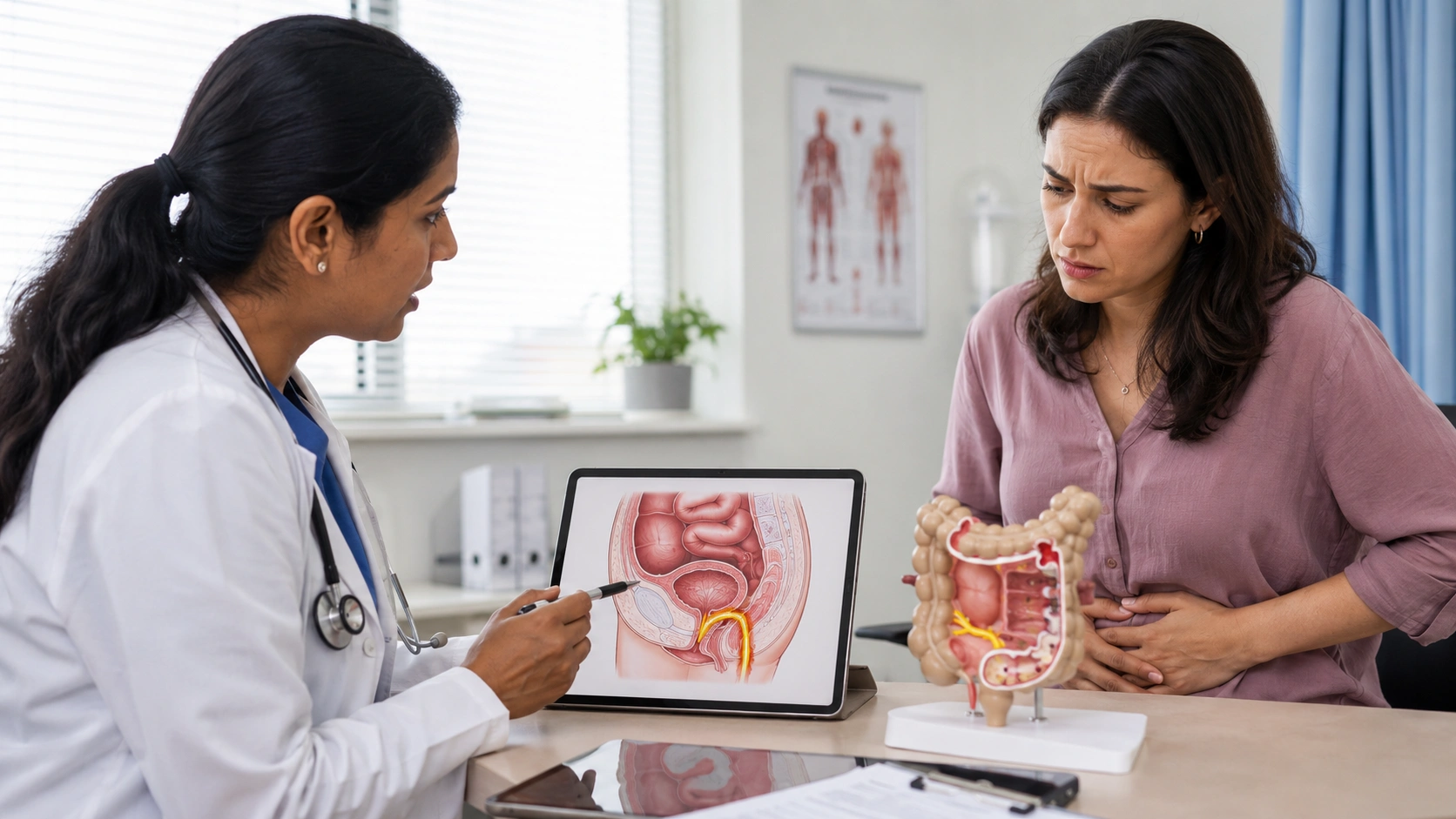
Introduction: What Does Fisila Mean?
Fisila is commonly searched as a possible misspelling or variation of fistula, a medical term for an abnormal tunnel or connection between two parts of the body. Many people type “fisila” because they heard the word from someone, saw it written differently, or are trying to understand a private health symptom in simple words.
In most health-related searches, fisila meaning usually points to fistula meaning. A fistula can form between organs, skin, blood vessels, the digestive tract, the urinary system, or nearby body structures. It may cause symptoms such as pain, swelling, drainage, pus, fever, unusual discharge, or changes in bowel habits.
However, “Fisila” may also appear in other contexts. Some sources use it as a cultural, symbolic, linguistic, brand-style, or geographic term, including Fisila/Fishila as a place in Ghana. This guide explains all major meanings clearly, with the medical meaning covered first because that is the most common user concern.
Quick Answer: Is Fisila the Same as Fistula?
In medical searches, fisila is most likely meant to be “fistula.” The word “fisila” is not the standard medical spelling, but it is often used as a phonetic spelling, typographical error, or search variation of fistula.
A fistula is an abnormal connection between two areas that should not normally connect. For example, a fistula may form between the rectum and skin, the rectum and vagina, the bladder and vagina, or even between an artery and vein.
So, if you searched for fisila symptoms, fisila treatment, fisila medical meaning, or fisila vs fistula, you probably want information about fistula. The correct spelling matters because it helps you find more accurate medical advice, reliable healthcare information, and the right specialist.
A simple way to remember it is:
| Search Term | Likely Meaning |
| Fisila | Common misspelling or search variation |
| Fistula | Correct medical term |
| Fisila vs fistula | Usually the same search intent |
| Fisila disease meaning | Often means fistula disease |
Fisila Meaning in Simple Words
The simplest meaning of fisila, when used medically, is fistula. A fistula is like an unwanted tunnel inside the body. This tunnel connects two body parts that should normally stay separate.
For example, imagine a small passage forming between the inside of the rectum and the skin near the anus. Fluid, pus, or stool-related discharge may pass through that tunnel. This is often called an anal fistula or perianal fistula.
A fistula can also involve the digestive system, urinary system, bladder, intestine, vagina, blood vessels, or skin. The exact symptoms depend on where the abnormal passageway forms.
In simple words:
A fistula is an abnormal tunnel between two body areas that should not be connected.
This is why people may notice symptoms such as drainage, swelling, pain, foul-smelling discharge, infection, or recurring abscesses. Some fistulas are mild at first, while others may become serious if left untreated.
Common Spellings and Search Variations of Fisila
Many users search for medical terms based on how they sound. This is especially common in regions where English is not the first language, or where people hear a term from a doctor, friend, family member, or online video before seeing it written correctly.
Common spelling variations include:
| Common Search | Correct or Related Term |
| fisila | likely fistula |
| fistila | misspelling of fistula |
| fistla | shortened misspelling |
| fisla | spelling variation |
| fistula | correct medical spelling |
People may also search phrases like fisila meaning in Urdu, fisila meaning in Hindi, fisila kya hai, fisila ka ilaj, or fistula meaning in simple words. These searches show that users are not only looking for a definition; they want a clear explanation they can understand without medical confusion.
Using the correct spelling, fistula, can help you find more accurate information about fistula symptoms, fistula diagnosis, fistula treatment, fistula prevention, and which doctor treats fistula.
Types of Fistula People May Mean When They Search Fisila
There are different types of fistulas, and each type affects a different part of the body. This is why the symptoms and treatment options can vary from person to person.
| Type of Fistula | Simple Meaning | Common Area |
| Anal fistula | A tunnel near the anus or rectum | Anal canal, rectum, skin |
| Rectovaginal fistula | A connection between the rectum and vagina | Rectum and vagina |
| Obstetric fistula | A childbirth-related fistula | Bladder, vagina, or rectum |
| Gastrointestinal fistula | An abnormal opening in the digestive tract | Stomach, intestine, or skin |
| Arteriovenous fistula | A connection between an artery and vein | Blood vessels |
| Vesicovaginal fistula | A connection between bladder and vagina | Urinary system |
| Colovesical fistula | A connection between colon and bladder | Digestive and urinary systems |
An anal fistula is one of the most commonly searched types because it can develop after an abscess near the anus. A rectovaginal fistula may cause gas or stool to pass through the vagina. An obstetric fistula may happen after prolonged or difficult childbirth, especially where access to emergency medical care is limited.
A gastrointestinal fistula may occur after surgery, injury, infection, Crohn’s disease, or inflammation in the digestive tract. An arteriovenous fistula is different because it involves blood vessels and may sometimes be created intentionally for dialysis treatment in kidney failure patients.
Because these types are different, treatment should depend on the location, cause, severity, infection risk, and overall health condition.
Common Symptoms Linked With Fisila or Fistula
The symptoms of fisila or fistula depend on where the abnormal tunnel forms. Some people notice mild discomfort at first, while others experience repeated infections, discharge, or swelling.
Common fistula symptoms may include persistent pain, swelling, redness, tenderness, drainage of pus, foul-smelling discharge, fever, chills, or a recurring abscess. If the fistula is near the anus, symptoms may include pain while sitting, discomfort during bowel movements, or fluid draining from a small opening near the skin.
If the fistula involves the vagina, symptoms may include gas passing through the vagina, stool leakage, urine leakage, bad odor, repeated infections, or irritation. A urinary fistula may cause constant urine leakage or repeated urinary infections.
Here is a simple symptom checklist:
| Symptom | Possible Meaning |
| Pain and swelling | Infection, abscess, inflammation |
| Pus or drainage | Possible fistula opening |
| Foul-smelling discharge | Ongoing infection |
| Fever or chills | Possible spreading infection |
| Blood in stool | Anal or bowel-related issue |
| Changes in bowel habits | Digestive tract involvement |
| Urine or stool leakage | Urinary or vaginal fistula concern |
These symptoms do not automatically confirm a fistula, but they are signs that a healthcare provider should evaluate the problem.
What Causes Fistula or Fisila-Like Symptoms?
A fistula usually forms when inflammation, infection, injury, or disease creates an abnormal passageway inside the body. One common cause is an untreated abscess, which is a pocket of pus caused by infection. If the abscess does not heal properly, it may create a tunnel from the infected area to the skin or another organ.
Common causes include infection, inflammation, Crohn’s disease, inflammatory bowel disease, trauma, surgery complications, childbirth complications, radiation therapy, and cancer-related tissue damage. In anal fistulas, the problem often begins with infected anal glands. The infection may form an abscess, and the abscess may later turn into a fistula.
In digestive conditions such as Crohn’s disease, long-term inflammation can weaken tissue and increase the risk of abnormal connections. In women, rectovaginal fistula or vesicovaginal fistula may be linked to childbirth injury, pelvic surgery, trauma, infection, or radiation therapy.
Not every case has the same cause. That is why diagnosis matters. A doctor may ask about symptoms, past surgeries, bowel disease, childbirth history, infections, and any previous abscesses.
A useful way to think about fistula development is:
Inflammation or infection damages tissue, pressure builds, and the body may create an abnormal tunnel for fluid to escape.
Fisila vs Fissure vs Abscess: What Is the Difference?
People often confuse fistula, fissure, and abscess, especially when symptoms happen near the anus or rectum. These conditions can overlap, but they are not the same.
| Term | Basic Meaning | Common Symptoms |
| Fistula | An abnormal tunnel between two areas | Drainage, swelling, recurring abscess, pain |
| Fissure | A small tear in the skin or lining | Sharp pain, bleeding, burning |
| Abscess | A pocket of infection or pus | Swelling, fever, tenderness, severe pain |
An anal fissure is usually a tear in the lining of the anus. It often causes sharp pain during bowel movements and may cause bright red bleeding. A perianal abscess is a painful pocket of infection near the anus. It may feel like a swollen lump and can cause fever or severe tenderness.
A fistula can form after an abscess drains or fails to heal properly. This is why some people first experience an abscess and later develop repeated drainage from a small opening.
Understanding the difference helps users avoid confusion. If someone searches fisila vs fissure or difference between abscess and fistula, they are usually trying to identify symptoms. However, only a qualified medical professional can confirm the diagnosis.
When Is Fisila or Fistula Dangerous?
A fistula can become dangerous if it leads to ongoing infection, spreading inflammation, severe pain, or complications affecting nearby organs. Not every fistula is an emergency, but some symptoms should never be ignored.
Seek urgent medical care if you have high fever, chills, severe pain, rapidly increasing swelling, heavy bleeding, confusion, weakness, foul-smelling discharge, or signs of spreading infection. If a person has a fistula along with uncontrolled diabetes, immune system problems, cancer treatment, or severe Crohn’s disease, medical attention becomes even more important.
Possible complications of an untreated fistula may include recurrent infection, abscess formation, worsening tissue damage, stool or urine leakage, skin irritation, emotional distress, and reduced quality of life. In rare severe infections, there may be a risk of sepsis, which is a serious whole-body response to infection.
A calm but important rule is:
If symptoms are painful, persistent, worsening, or linked with fever, do not wait for them to disappear on their own.
Early diagnosis and early treatment can reduce the risk of complications and help protect normal body function.
How Doctors Diagnose a Fistula
Doctors diagnose a fistula by combining patient history, physical examination, symptoms, and imaging tests when needed. The process depends on the location of the suspected fistula.
During the visit, a healthcare provider may ask when symptoms started, whether there is drainage, whether an abscess happened before, whether there is fever, and whether the patient has Crohn’s disease, surgery history, childbirth injury, or repeated infections.
For an anal fistula, the doctor may examine the area around the anus to look for swelling, redness, tenderness, or a small external opening. For deeper or complex fistulas, imaging may be needed.
Common diagnostic tools may include:
| Diagnostic Method | Why It May Be Used |
| Physical examination | Checks visible swelling, opening, pain, or discharge |
| MRI imaging | Helps map complex fistula tunnels |
| Ultrasound | May detect fluid collections or tissue changes |
| CT scans | Useful for deeper abdominal or pelvic concerns |
| Endoscopy | Helps view the digestive tract when needed |
The goal of diagnosis is not only to confirm the fistula but also to understand its path, cause, severity, and relationship to nearby muscles or organs. This matters because treatment should be planned carefully.
Treatment Options for Fisila or Fistula
Fistula treatment depends on the type, location, cause, infection level, and whether important muscles or organs are involved. There is no single treatment that fits every case.
If there is an active infection or abscess, doctors may first recommend antibiotics, drainage procedures, wound care, or medical management. Antibiotics may help control infection, but they usually do not close a true fistula by themselves.
Many fistulas, especially anal fistulas, may need a procedure or surgery. Common options can include fistulotomy, seton placement, surgical repair, advancement flap surgery, LIFT procedure, fibrin glue treatment, fistula plug, laser fistula treatment, or VAAFT procedure. The choice depends on whether the fistula is simple or complex and whether the anal sphincter muscle is involved.
For Crohn’s disease-related fistulas, treatment may include medications to reduce inflammation, targeted medications, drainage, and specialist care from a gastroenterologist or colorectal surgeon. For rectovaginal or urinary fistulas, a gynecologist or urologist may be involved.
A short case example:
Case example: A person develops swelling near the anus that drains pus and then returns every few weeks. The doctor finds a small fistula tract after an exam and MRI. Instead of only giving repeated antibiotics, the specialist recommends a planned procedure to treat the tunnel and reduce recurrence risk.
The best treatment plan should protect healing, reduce infection, and preserve normal function.
Can Fistula Heal on Its Own?
Many people ask, “Can fistula heal on its own?” The answer depends on the type and cause, but many true fistulas do not fully heal without medical care. Symptoms may temporarily improve if swelling goes down or drainage decreases, but the tunnel may remain under the skin.
This is why fisila home remedies or fistula home remedies should be approached carefully. Warm baths, hygiene, hydration, and pain management may support comfort, but they do not replace diagnosis or proper treatment.
You should not try to cut, squeeze, or drain an abscess at home. This can worsen infection, damage tissue, or delay proper care.
Safe general self-care may include keeping the area clean, following medical instructions, eating a fiber-friendly diet if advised, and attending follow-up appointments. But if there is persistent drainage, fever, swelling, severe pain, or recurring infection, professional medical evaluation is important.
Which Doctor Should You See for Fisila or Fistula?
The right doctor depends on the suspected type of fistula. A general physician can be the first step if you are unsure. They can examine symptoms and refer you to a specialist.
For fistulas near the anus or rectum, a colorectal surgeon or proctologist is often the right specialist. For Crohn’s disease-related fistulas, a gastroenterologist may be involved. For vaginal, urinary, or childbirth-related fistulas, care may involve a gynecologist, urologist, or pelvic floor specialist.
| Symptom or Type | Possible Specialist |
| Anal pain, drainage, recurring abscess | Colorectal surgeon or proctologist |
| Crohn’s disease with fistula | Gastroenterologist |
| Stool or gas through vagina | Gynecologist or colorectal surgeon |
| Constant urine leakage | Urologist or gynecologist |
| Unsure symptoms | General physician |
This section has commercial search intent because users may be deciding what kind of clinic, doctor, or specialist to contact. Still, the article should remain informational and avoid promising a specific result.
Home Care and Prevention: What Helps and What Does Not
Home care cannot always prevent or cure a fistula, but it can support comfort and reduce infection risk when used safely. The most important step is to avoid delaying medical care when symptoms are persistent or worsening.
Helpful habits may include gentle hygiene, following wound care instructions, managing constipation if advised, drinking enough fluids, eating a balanced diet, and attending follow-up visits. If surgery or drainage has been performed, post-treatment hygiene and regular check-ups are important for recovery.
Things that do not help include ignoring recurring abscesses, repeatedly using antibiotics without diagnosis, applying harsh chemicals, or trying to drain an infected area at home.
Prevention depends on the cause. For example, treating anal abscesses early may reduce the chance of fistula formation. Managing Crohn’s disease or inflammatory bowel disease may lower the risk of recurring fistulas. Good medical follow-up after childbirth injury, pelvic surgery, or radiation therapy may also help detect problems earlier.
The goal of prevention is not perfection. It is early diagnosis, early treatment, infection prevention, and recurrence prevention.
Fisila Meaning in Urdu, Hindi, and Regional Search Context
Searches like fisila meaning in Urdu, fisila meaning in Hindi, fisila kya hai, and fisila ka ilaj show that many users are looking for a simple explanation in a regional context.
In Urdu or Hindi search behavior, fisila may be typed as a sound-based version of fistula. People may hear the medical term in English and then search it using the spelling that feels natural to them. This is common in Pakistan, India, Bangladesh, and other regions where users often mix English medical terms with local languages.
A simple explanation for regional readers is:
Fisila or fistula means an abnormal passage or tunnel inside the body. It may cause pain, swelling, pus, discharge, or leakage depending on where it forms.
For health-related searches, it is better to use the correct spelling fistula when looking for reliable medical information. However, an article optimized for fisila should still acknowledge local search terms naturally because they reflect real user behavior.
Other Possible Meanings of Fisila
Although the medical meaning is the most important for health-related searches, Fisila may also appear in cultural, linguistic, social, brand, or creative contexts. These meanings are less standardized and may vary depending on the source.
Fisila as a Cultural or Symbolic Term
Some content presents Fisila as a cultural or symbolic idea connected to community, unity, togetherness, tradition, storytelling, rituals, ceremonies, festivals, folklore, and heritage. In this context, Fisila may represent connection, shared values, or cultural identity rather than a medical condition.
Because there is no single accepted cultural definition, readers should understand the context in which the word is being used.
Fisila as a Linguistic or Modern Word
Fisila may also be discussed as a word with uncertain linguistic roots. Some interpretations connect it with dialects, African languages, Arabic-like phonetic structure, symbolic meaning, or evolving language. However, there is no widely accepted dictionary definition that applies everywhere.
This makes fisila word origin, fisila language origin, and is fisila a real word useful search topics, but they should be explained carefully.
Fisila in Social Media, Branding, or Pop Culture
In modern contexts, Fisila may appear as a brand name, product name, social media term, blog concept, creative platform, or storytelling identity. It may be used on platforms like Instagram, Twitter, TikTok, or blogs as a unique word because it sounds distinctive.
In this case, the meaning depends on who is using it and why.
Fisila or Fishila as a Place in Ghana
Fisila, also known as Fishila, may refer to a populated place in Ghana. This meaning is different from the medical term fistula and should not be confused with health-related searches.
Location-based searches may include Fisila Ghana, Fisila map, Fisila location, Fishila Ghana map, Fisila coordinates, or Fisila elevation. Geographic listings associate Fisila/Fishila with map data, weather, photos, coordinates, village information, and elevation.
Some location data includes details such as 146 meters elevation, 9°16’60” N latitude, and 0°55’60” W longitude. These details are useful for users with navigational intent, such as people trying to find a place on a map rather than understand a medical condition.
So, if you searched where is Fisila located in Ghana, you are probably looking for a place. If you searched fisila symptoms, you are probably looking for fistula symptoms.
Quick Summary: Which Meaning of Fisila Fits Your Search?
Because fisila can point to different meanings, the best interpretation depends on the phrase you searched.
| If You Searched For… | You Probably Mean… |
| fisila symptoms | Fistula symptoms |
| fisila treatment | Fistula treatment |
| fisila medical meaning | Fistula meaning |
| fisila vs fistula | Correct spelling comparison |
| fisila meaning in Urdu | Fistula meaning in simple/regional language |
| fisila culture | Cultural or symbolic meaning |
| fisila in social media | Modern or brand-style usage |
| fisila Ghana | A place called Fisila/Fishila in Ghana |
The safest SEO and reader-friendly approach is to explain the medical meaning first, then briefly address cultural, linguistic, modern, and geographic meanings. This helps the article satisfy multiple search intents without confusing users.
Frequently Asked Questions
What does fisila mean?
Fisila is most commonly searched as a misspelling or variation of fistula. In medical terms, a fistula is an abnormal tunnel or connection between two body parts that should not normally connect.
Is fisila the correct spelling?
For medical searches, the correct spelling is fistula. “Fisila” may be a phonetic spelling, spelling error, or search variation.
Is fisila the same as fistula?
In most health-related searches, yes. People searching fisila vs fistula usually want to know about fistula symptoms, causes, diagnosis, and treatment options.
What are the symptoms of fistula?
Common symptoms include pain, swelling, redness, drainage, pus, foul-smelling discharge, fever, chills, blood in stool, urine leakage, stool leakage, or recurring abscesses. Symptoms depend on the fistula type.
Can fistula heal without surgery?
Some symptoms may improve temporarily, but many fistulas need medical treatment and may not fully heal on their own. Treatment can include medication, drainage, wound care, or surgery depending on the case.
Which doctor treats fistula?
A colorectal surgeon or proctologist often treats anal fistulas. A gastroenterologist may treat Crohn’s-related fistulas. A gynecologist or urologist may treat vaginal or urinary fistulas.
Is fistula dangerous?
A fistula can become dangerous if it causes ongoing infection, severe pain, abscess, leakage, or spreading infection. Red flags include fever, chills, severe swelling, worsening pain, and foul discharge.
Is Fisila a place in Ghana?
Yes, Fisila, also known as Fishila, may refer to a populated place in Ghana. This is separate from the medical meaning of fistula.
Conclusion:
Fisila can have different meanings, but in most medical searches it is best understood as a misspelling or variation of fistula. A fistula is an abnormal connection or passageway between body parts, organs, vessels, or skin. It may cause symptoms such as pain, swelling, pus, discharge, fever, or leakage, depending on the type.
At the same time, Fisila may also appear as a cultural term, symbolic word, modern brand-style name, social media usage, or location in Ghana. The key is context.
For health-related symptoms, use the correct spelling fistula and speak with a qualified healthcare provider for diagnosis, treatment options, and safe medical guidance.
Disclaimer
This article is for general informational purposes only and is intended to help readers better understand the topic. Individual results, experiences, preferences, and situations may vary. For personal concerns or specific guidance, consider speaking with a qualified professional.