

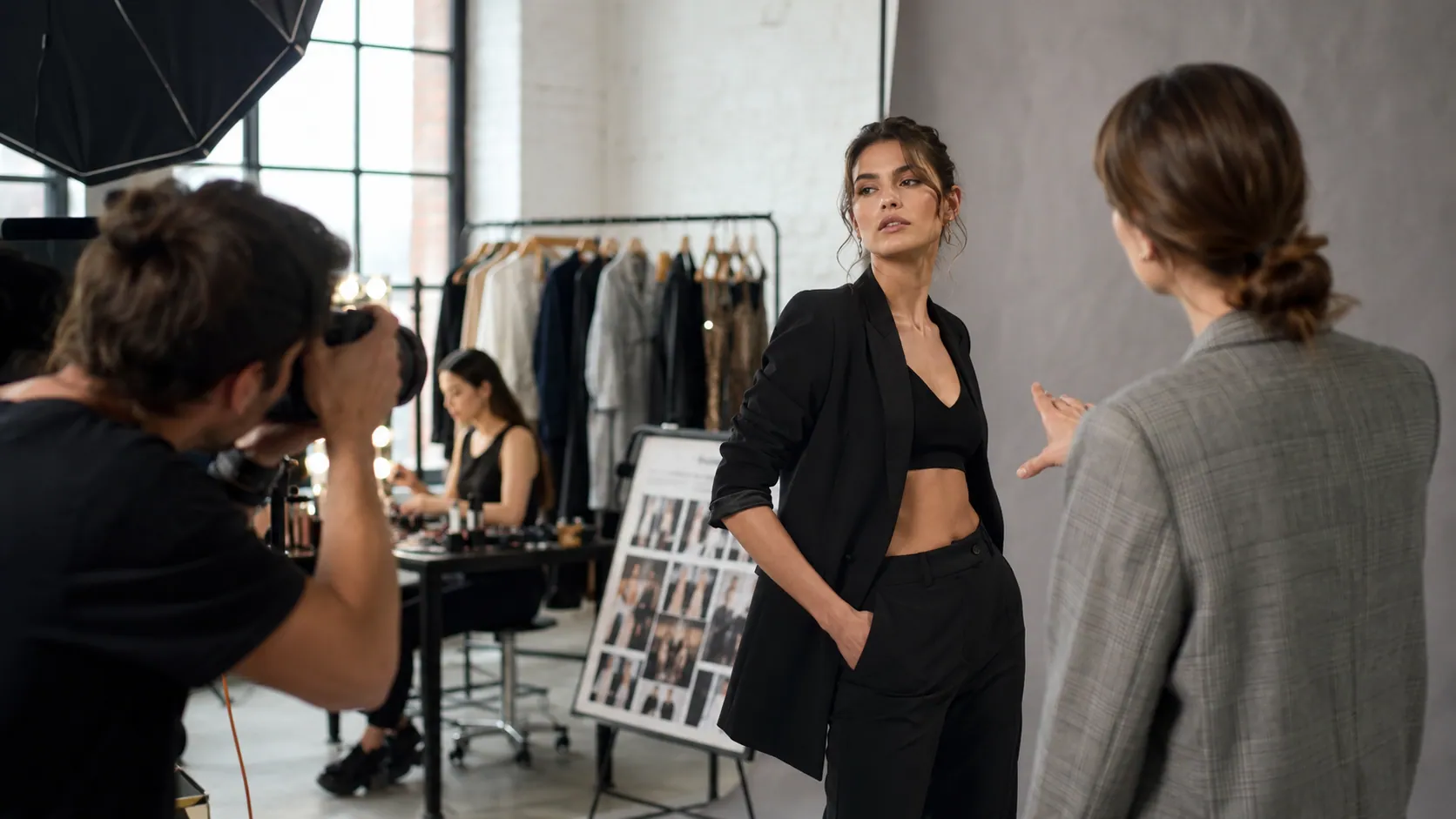
What are the qualities of a successful model is a question many beginners ask when they want to know whether they have what it takes to enter the modeling industry. A successful model is not defined by looks alone. While appearance, photogenic beauty, and camera presence matter, agencies, clients, photographers, and casting directors also look for confidence, professional behavior, strong work ethic, resilience, punctuality, and the ability to take direction.
Today, modeling includes many paths, from runway and editorial modeling to commercial modeling, plus-size models, fitness modeling, petite modeling, lifestyle modeling, and even social media modeling. That means the qualities of a successful model can vary by niche, but the foundation is usually the same: be prepared, adaptable, reliable, and professional.
The Most Important Qualities of a Successful Model
The qualities of a successful model go beyond being attractive or having a unique face. A model must know how to present themselves, work with a creative team, understand client expectations, and stay consistent even when the industry feels competitive.
Some of the most important successful model traits include confidence, camera presence, professional attitude, strong communication skills, reliability, punctuality, resilience, adaptability, and a willingness to keep learning. These are the skills and qualities of a model that help someone move from beginner interest to real professional opportunities.
A good model also understands that modeling is a job. This means arriving on time, listening to photographers, respecting designers and stylists, keeping a model portfolio updated, and being available when agencies or clients need quick responses.
Here is a simple overview:
| Quality | Why It Matters |
| Confidence | Helps a model perform naturally in front of the camera |
| Professionalism | Builds trust with agencies, clients, and photographers |
| Camera presence | Makes photos and videos stronger |
| Resilience | Helps models handle rejection and criticism |
| Punctuality | Shows respect for castings, appointments, and bookings |
| Adaptability | Helps models fit different campaigns, brands, and niches |
| Communication skills | Makes photoshoots, castings, and agency work smoother |
In simple terms, what makes a good model is the ability to combine appearance, skill, attitude, and reliability.
Confidence, Professionalism, and Strong Work Ethic
One of the first qualities people notice in a successful model is confidence. A model needs to feel comfortable being seen, photographed, directed, and sometimes judged. This does not mean being arrogant. Real self-confidence in modeling means knowing your strengths, accepting feedback, and performing even when you feel nervous.
Confidence matters during casting calls, photoshoots, runway walks, and agency interviews. A model who looks uncomfortable may struggle to sell a product or express a brand message. On the other hand, a confident model can make clothing, beauty products, accessories, or lifestyle campaigns feel more natural and believable.
But confidence alone is not enough. Professional behavior is just as important. Modeling agencies, photographers, designers, and clients want to work with people who are respectful, prepared, and easy to direct. If a model arrives late, ignores instructions, or acts difficult on set, it can damage their reputation quickly.
A strong work ethic also separates serious models from people who only like the idea of modeling. Professional models may spend long hours at shoots, wait during styling and lighting setup, travel for castings, and repeat the same pose many times until the creative team gets the right shot.
As the famous idea often linked to George Bernard Shaw suggests, successful people do not just wait for the right circumstances; they help create them. In modeling, that means practicing poses, improving body language, staying organized, and showing commitment even before the big opportunities arrive.
Camera Presence, Posing, and Physical Presentation
Camera presence is one of the most valuable modeling qualities because it shows how well a person connects with the camera. A model may have good looks, but if they seem stiff, distracted, or uncomfortable on camera, the final images may not work. Strong camera presence comes from body awareness, facial expression control, posture, and confidence.
Many beginners think being photogenic is something you either have or do not have. In reality, posing techniques, lighting awareness, and practice can improve how someone appears in photos. A successful model learns how small changes in the chin, shoulders, hands, eyes, and posture can completely change the mood of an image.
For example, a beauty model may need soft facial expressions and clean angles, while a fashion model may need sharper movement and stronger body lines. A commercial model may need to look friendly, relaxed, and relatable. This is why facial expressions, body language, and movement direction are so important.
Physical presentation also matters, but it should be understood in a balanced way. Traditional high-fashion modeling has often focused on height, proportions, and sample-size clothing, with some agencies referencing measurements such as 5-foot-11 or 6-foot for certain runway categories. However, the modern industry is broader. Commercial modeling, plus-size models, petite modeling, fitness campaigns, and e-commerce photoshoots often need different body types and looks.
Good grooming is still important across almost every niche. Healthy-looking skin, clean hair, neat nails, good posture, and overall energy help a model look prepared. The goal is not unrealistic perfection. The goal is to show that you take care of yourself and understand how to present your best version for the camera and light.
Resilience, Rejection Handling, and Mental Strength
A successful model needs resilience because rejection is part of the modeling career path. Even talented models do not get every job. Sometimes a client wants a different height, age, body type, face shape, style, or personality for a campaign. That does not always mean the model did something wrong.
This is why the ability to handle rejection and handle criticism is one of the most important professional qualities in modeling. A model may attend many castings before booking one job. They may hear feedback about their walk, expressions, measurements, portfolio, or experience. Without mental strength, this can feel discouraging.
Having thick skin does not mean ignoring your feelings. It means learning how to separate personal worth from professional selection. A casting director may reject a model simply because the brand needs someone who looks more like its target customer. Another client may want a different energy, age range, or marketable look.
Successful models use feedback carefully. If a photographer says your expressions need variety, practice expressions. If an agency says your portfolio needs cleaner digitals, update it. If you struggle with posture, posing, or confidence, work on those areas.
A healthy rejection mindset helps protect mental health. Instead of thinking, “I am not good enough,” a stronger approach is, “I may not be right for this job, but I can keep improving and find the right fit.” That attitude builds long-term persistence.
Reliability, Punctuality, and Communication Skills
In modeling, reliability can be just as valuable as appearance. Clients, agencies, and photographers often work on tight schedules. If a model is late, misses calls, forgets appointments, or fails to respond, it can create problems for the entire production.
That is why punctuality and organisation are essential model career skills. A model should know the date, time, location, dress code, contact person, and requirements for every casting or job. Some models use a paper diary, while others use online tools, calendar reminders, or booking apps. The method does not matter as much as being dependable.
Good communication also matters. Models need to respond professionally to agencies, ask clear questions when needed, and listen carefully on set. Strong communication skills help models understand what photographers, creative directors, stylists, and clients want.
For example, during a photoshoot, a photographer may ask for a softer expression, a stronger jawline, a relaxed shoulder, or a more energetic pose. A model who can take direction quickly saves time and helps the team get better results.
A simple professional communication habit is to confirm important details before the shoot: arrival time, location, wardrobe notes, makeup requirements, and whether updated measurements or digitals are needed. This makes the model easier to work with and more likely to be remembered positively.
Adaptability Across Modeling Niches
Another important answer to what qualities do you need to be a model is adaptability. Not every modeling job requires the same look, skill, or personality. The best models understand their niche while still being versatile enough to work with different clients.
A runway model may need a strong walk, posture, height, rhythm, and stage presence. Editorial modeling may require expressive posing, dramatic mood, and the ability to tell a visual story. Commercial modeling often values warmth, relatability, natural expressions, and the ability to sell a product clearly.
Other niches have their own needs. Fitness model qualities may include stamina, body control, and athletic movement. Beauty model qualities may focus on skin, facial symmetry, expressions, and close-up camera confidence. Parts modeling may focus on hands, feet, legs, or other specific features. Plus-size models, petite models, and lifestyle models often succeed by bringing personality, authenticity, and brand fit.
This is where versatility becomes powerful. A model with an adaptable look can appear polished in one campaign, casual in another, energetic for a fitness brand, and relatable for an e-commerce shoot. Still, versatility does not mean losing your identity. A successful model also understands their unique selling point, whether that is personal style, expressive eyes, strong movement, a memorable face, or a natural commercial appeal.
The modeling industry is more inclusive than it once was, and diverse body types, age ranges, cultural styles, and online audiences have created more paths for new models.
Fashion Awareness, Personal Style, and Marketability
A successful model does not need to be a fashion designer, but fashion awareness helps. Knowing current fashion trends, clothing styles, beauty trends, and brand aesthetics can help a model understand the mood of a shoot or casting.
A model with strong personal style can also stand out. Personal style does not mean wearing expensive clothes. It means understanding what suits your features, body language, personality, and target market. Some models are remembered because they have a clean classic look, while others stand out because of bold styling, unique facial features, or a strong creative identity.
Marketability is another key quality. In commercial modeling, clients are not only asking, “Is this person attractive?” They are asking, “Can this person represent our brand, connect with our audience, and help sell a product?” That is why brand fit matters.
A model may be perfect for a skincare campaign but not right for a sportswear shoot. Another model may work well for lifestyle ads, family campaigns, e-commerce clothing, or beauty editorials. A successful model understands that each job has a purpose.
Here is a simple example:
| Modeling Area | What Clients Often Look For |
| Runway | Walk, posture, presence, confidence |
| Commercial modeling | Relatable look, natural smile, clear expressions |
| Beauty campaigns | Skin, facial control, close-up confidence |
| Fitness campaigns | Energy, movement, athletic body control |
| E-commerce modeling | Consistency, clean poses, product focus |
| Social media modeling | Personal brand, audience trust, online presence |
The more a model understands marketability, the easier it becomes to position themselves for the right opportunities.
Portfolio, Digitals, and Agency Readiness
A strong model portfolio is one of the most practical tools for building a modeling career. It shows agencies, clients, and casting directors how you look on camera, how versatile you are, and what types of jobs you may fit.
Beginner models do not always need an expensive portfolio at the start. Many agencies first want clear modeling digitals or model polaroids. These are simple, natural photos that show your face, full body, profile, and current look without heavy editing, filters, dramatic makeup, or distracting styling.
A more developed portfolio may include test shoots, commercial images, fashion images, beauty shots, and lifestyle photos. A comp card may also be useful because it includes your best photos, name, contact information, measurements, and basic details.
Keeping your portfolio updated matters. If your hair, body shape, style, or look changes, your agency submission photos should reflect that. Outdated photos can create confusion and reduce trust.
Agency readiness also includes knowing how to submit properly. Read agency guidelines, send only what they request, avoid over-edited photos, and be honest about your experience. If an agency asks for natural digitals, do not send heavily retouched images. If they request measurements, provide accurate ones.
A model who is prepared with updated digitals, a clean portfolio, professional communication, and realistic expectations already looks more serious than someone who only sends random selfies.
Safety, Scams, and Beginner Mistakes to Avoid
Model safety is an important topic that beginners should never ignore. Unfortunately, modeling scams and fake modeling agencies can target people who are excited to enter the industry. A successful model learns to protect their time, money, image, and personal boundaries.
A legitimate modeling opportunity should be clear about who is involved, what the job requires, where it takes place, how images will be used, and whether payment is included. Be careful with anyone who promises instant fame, demands large upfront fees without transparency, refuses to provide details, or pressures you into uncomfortable situations.
Important terms such as model release form, usage rights, and image licensing matter because they explain how your photos can be used. A beginner model should not sign documents they do not understand. When possible, ask questions, research the agency reputation, and involve a trusted person if something feels wrong.
Common beginner model mistakes include relying only on looks, ignoring punctuality, sending over-filtered photos, not practicing poses, failing to respond professionally, taking rejection personally, and not updating portfolio materials.
Another mistake is trying to fit every modeling niche. Instead, understand where you are most marketable. You may be better suited for commercial, lifestyle, beauty, fitness, petite, plus-size, social media, or e-commerce modeling. Success becomes easier when you focus on the right opportunities instead of chasing every possible casting.
Quick Checklist: Do You Have the Qualities of a Successful Model?
Use this quick checklist to assess your current strengths and areas for improvement:
| Question | Why It Matters |
| Do you feel confident in front of the camera? | Builds stronger camera presence |
| Can you take direction without getting defensive? | Helps on professional photoshoots |
| Are you punctual and reliable? | Builds agency and client trust |
| Do you communicate clearly? | Makes castings and bookings smoother |
| Can you handle rejection? | Protects long-term motivation |
| Do you practice posing and expressions? | Improves performance |
| Is your portfolio or digitals updated? | Helps agencies see your current look |
| Do you understand your modeling niche? | Improves marketability |
| Do you protect your safety and boundaries? | Helps avoid scams and bad situations |
If you do not have every quality yet, that does not mean you cannot become a model. Many successful model qualities can be developed with practice, experience, and the right mindset.
FAQs About the Qualities of a Successful Model
What are the main qualities of a successful model?
The main qualities of a successful model include confidence, camera presence, professional behavior, strong work ethic, resilience, punctuality, reliability, communication skills, and adaptability. A successful model also understands their niche, keeps their portfolio updated, and knows how to work with agencies, photographers, and clients.
Do models need perfect looks to succeed?
No, models do not need perfect looks to succeed. Different types of modeling require different looks. High-fashion runway modeling may have stricter requirements, but commercial modeling, plus-size modeling, petite modeling, lifestyle campaigns, fitness shoots, beauty work, and social media modeling can be more flexible. Professionalism, confidence, and marketability often matter as much as appearance.
What do modeling agencies look for in new models?
Modeling agencies often look for potential, confidence, natural photos, professional attitude, reliability, and a look that fits their market. Model scouts and casting directors may also consider body type, facial features, personal style, communication skills, and how well the model takes direction.
Can short people become models?
Yes, short people can become models, especially in commercial modeling, petite modeling, beauty, lifestyle, fitness, parts modeling, and social media modeling. While some runway markets may prefer taller models, many brands need relatable people with strong expressions, clear camera presence, and professional habits.
How can a beginner model build confidence?
A beginner model can build confidence by practicing poses, studying facial expressions, doing test shoots, learning basic runway movement, and getting comfortable with simple digitals. Confidence also grows when you understand your strengths and stop comparing yourself to every other model.
What is more important in modeling: looks or professionalism?
Both matter, but professionalism often determines whether a model gets rebooked. Good looks may help someone get noticed, but professional behavior, punctuality, communication, reliability, and the ability to take direction help build a lasting career.
Conclusion: Successful Models Combine Skill, Confidence, and Professionalism
The qualities of a successful model include much more than physical appearance. A strong model combines confidence, camera presence, professional behaviour, resilience, punctuality, communication skills, and a reliable work ethic. They know how to take direction, stay prepared, update their model portfolio, and protect their personal boundaries.
Whether someone wants to work in runway, commercial modeling, fashion, beauty, fitness, lifestyle, or social media modeling, success comes from matching the right look with the right attitude and skills. If you want to succeed in the modeling industry, focus on becoming not only more photogenic, but also more professional, adaptable, and prepared.
Disclaimer: This article is for general informational and educational purposes only and does not constitute professional career, modeling, legal, financial, or agency advice. Modeling requirements, opportunities, industry standards, and agency expectations vary by market, niche, and employer. Always research agencies carefully, verify opportunities independently, and prioritize personal safety and professional judgment when pursuing a modeling career.