

Introduction
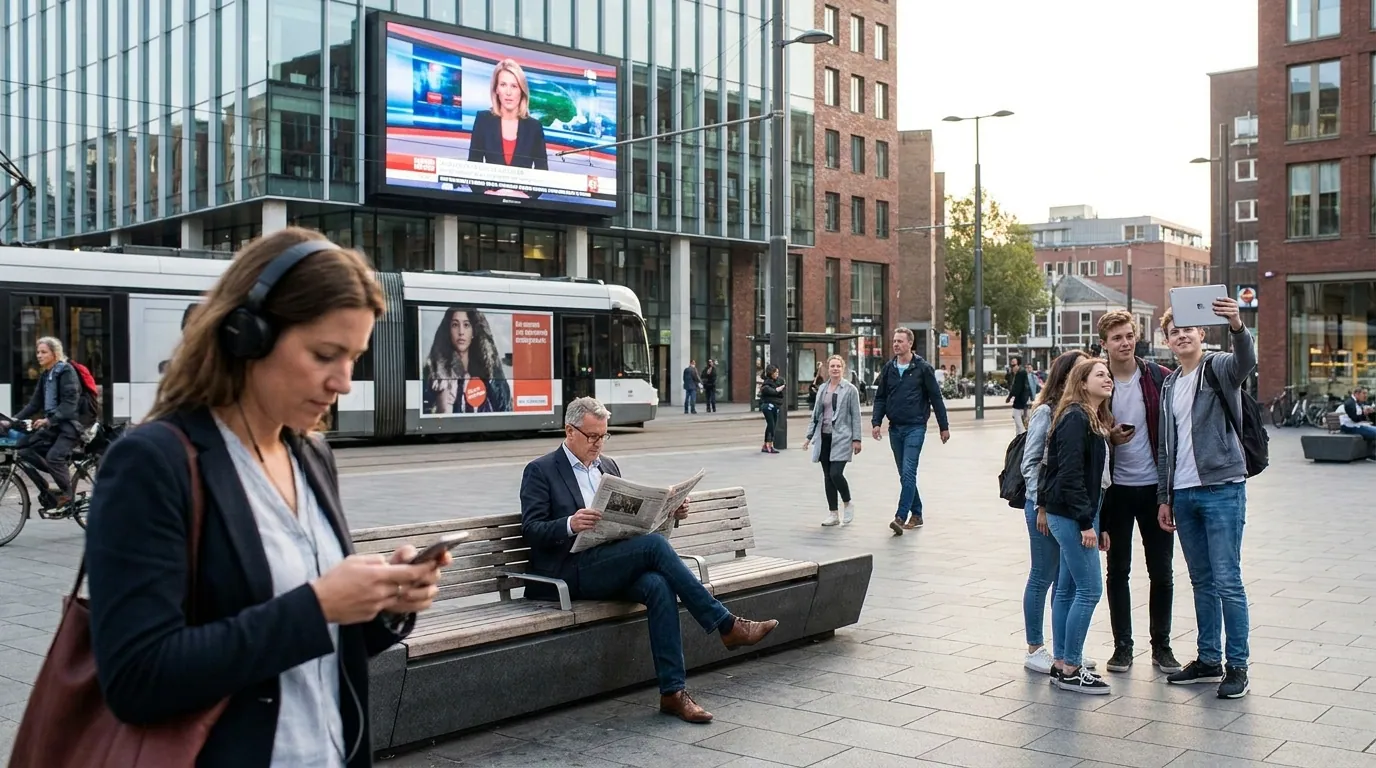
The role of mass media in the building of society is impossible to ignore because mass media shapes how people think, learn, connect, and participate in public life. In every modern community, mass communication works as a powerful link between individuals, institutions, governments, and cultures. Whether through print media, broadcast media, digital media, or social media, the media helps carry public information, spread cultural knowledge, influence public belief, and support social development.
At its best, media and society grow together. The media can educate citizens, raise social awareness, encourage democratic participation, and strengthen social cohesion. At the same time, it can also spread propaganda, deepen stereotypes, and amplify misinformation if it is not used responsibly. That is why understanding the importance of mass media in society matters more than ever in the 21st century.
From the age of the telegraph and the popular newspaper to the era of mobile phones, blogs, podcasts, and AI-generated content, the media has continued to change. Yet its central purpose remains the same: to connect people to the wider world and help build the social, cultural, and political fabric of collective life.
What Is Mass Media and Why Is It Important to Society?
Mass media refers to forms of communication that reach large audiences through organized channels. It includes newspapers, radio, television, films, magazines, internet platforms, and now a wide range of streaming media and social platforms. In simple terms, one-to-many communication allows a single message to reach thousands or even millions of people at the same time.
This wide reach is what makes mass media in society so important. It is not just about sharing news. It is also about building a communication structure through which society talks to itself. Media tells people what is happening, why it matters, and how events in one part of the world may affect another. It shapes the information environment in which citizens form opinions, make choices, and understand their place in the world.
There is also an important difference between mass media, news media, and social media. News media focuses mainly on reporting events and public affairs. Social media allows users to create, share, and react to content themselves. Mass media is the broader idea that includes all major channels of public communication. Together, these platforms influence audiences, shape media outlets, and affect the relationship between society and culture.
When people ask about the role of mass media in society, they are really asking how communication shapes social life. The answer is simple: the media is one of the main forces that helps create shared understanding, common values, public debate, and even national identity.
How Mass Media Evolved From Print to the Digital Age
The historical evolution of communication media shows just how deeply communication has shaped human civilization. Long before the internet, societies depended on physical forms of communication. The Diamond Sutra, dated to 868 AD, is often cited as one of the earliest known printed books. Later, in 1041, movable type appeared in China. In 1453, Johannes Gutenberg helped transform communication in Europe by printing the Latin Bible with movable type. These milestones changed the speed and scale of information transmission.
By 1612 and 1620, early newspapers were beginning to appear, and by the early 1800s, the popular newspaper had become a major force in urban society. In places like London, print culture created new habits of reading, discussion, and political awareness. Later, the telegraph, radio, and broadcast television made communication even faster and more immediate. By the mid-1800s, the telegraph had already started shrinking the world; by the early 1900s, radio became a mass cultural force; and in the decades post-Second World War, television entered daily life on a huge scale.
The rise of the internet in the late 20th century and the spread of public internet access in the 21st century changed everything again. Today, mobile phones, blogs, podcasts, RSS feeds, video platforms, and social apps allow information to move instantly across borders. This is why the origin and development of mass media matters: every new medium changes not only communication tools, but also social structures, cultural preferences, and the way people experience public life.
The Core Functions of Mass Media in Building Society
To understand the role of mass media in the building of society, it helps to look at its main functions. The media does much more than entertain. It informs, educates, connects, and preserves culture.
First, mass media as the primary means of transmission and public information helps citizens stay aware of political, social, and economic events. Without regular access to reliable reporting, people cannot make informed decisions about voting, public policy, education, health, or local problems. The media acts as a public window, helping society see itself clearly.
Second, mass media as an educational tool supports both formal and informal learning. Educational programming, documentaries, newspaper columns, and digital explainers can improve literacy, public understanding, and civic awareness. In developing regions, development communication, rural communication, and awareness campaigns can spread essential knowledge about farming, health, rights, and education.
Third, the media entertains. This function may seem lighter, but it is socially important. Entertainment helps create common experiences, influences language and trends, and shapes how people imagine success, identity, gender roles, and culture. Through stories, music, sports coverage, and film, the media becomes part of everyday life.
Fourth, media builds social connection. It links local communities to national and global conversations. It helps citizens understand disasters, elections, economic changes, and public debates. It can also create a sense of belonging by sharing values, traditions, and social concerns.
Finally, media transmits culture. It carries culture and values from one generation to another. This is why John Dewey saw communication as central to community life: society does not just exist through laws and institutions, but through the sharing of meaning. In that sense, the media is part of society’s memory as well as its voice.
Here is a simple summary of the major functions:
| Function | How It Builds Society |
|---|---|
| Information | Helps citizens understand current events and public issues |
| Education | Spreads knowledge, awareness, and practical guidance |
| Entertainment | Creates shared experiences and cultural influence |
| Connection | Links communities, groups, and regions |
| Culture transmission | Preserves values, traditions, language, and identity |
Mass Media, Public Opinion, and Social Change
One of the most powerful aspects of mass communication and social change is its ability to shape what people notice, discuss, and believe. Media does not simply report reality. It also selects, frames, and prioritizes reality.
This is where agenda setting and framing become important. Agenda-setting theory suggests that the media may not always tell people what to think, but it is very effective at telling people what to think about. When some issues receive heavy coverage and others receive little attention, society begins to treat certain concerns as urgent and others as less important.
The work of Catherine Happer and Greg Philo, published in 2013 in the Journal of Social and Political Psychology, explores the role of the media in the construction of public belief and attitudes. Their discussion of climate change, disability, and economic development shows how media coverage shapes public debate, especially on issues people do not experience directly in daily life. In such cases, media narratives can strongly influence public attitudes, political priorities, and social responses.
This influence can drive positive change. Media campaigns have helped improve awareness around education, sanitation, women’s rights, public health, and corruption. But the same power can also distort reality when coverage becomes sensational, biased, or incomplete.
A well-known media principle captures this tension:
“The medium is the message.”
This idea, associated with Marshall McLuhan, reminds us that the form of communication also shapes how messages are understood. A topic explained in a long newspaper article may lead to deeper thought, while the same topic reduced to a short viral clip may produce quick emotion but less reflection.
The Role of Mass Media in Democracy, Governance, and Accountability
No modern democracy can function well without a healthy media system. The media helps create an informed electorate, supports public accountability, and acts as a watchdog role against abuse of political power.
When journalists investigate wrongdoing, expose scandals and corruption, or question public officials, they strengthen transparency. Citizens gain the information they need to judge leaders, policies, and institutions. This is why many scholars argue that democratic politics depends on mass media.
The connection between media and democracy also works through everyday reporting. Election coverage, interviews, debates, fact-checks, and policy analysis help voters understand their choices. Media gives space to public discussion and helps different groups enter the national conversation.
Still, democracy is not strengthened by media automatically. Problems like concentration of media ownership, political pressure, and commercial influence can weaken journalism. When only a few powerful organizations control the main media outlets, the diversity of ideas may shrink. That can distort public debate and harm trust.
So the media’s democratic value depends on freedom, responsibility, and pluralism. A society needs not just more content, but better content—fair, accurate, and open to multiple perspectives.
Mass Media as a Tool for Education, Development, and Nation Building
The role of mass media in developing societies is especially important because media can directly support nation building, public education, and community development. In places where institutions are still growing, the media can be a bridge between government policies and public understanding.
For example, radio and television have long been used for educational outreach, literacy support, and agricultural guidance. Public service campaigns can teach families about health, vaccination, sanitation, women’s rights, and disaster preparedness. In rural areas, well-designed messages can improve livelihoods and strengthen participation in public life.
This is where development communication becomes essential. It is not only about sending information. It is about making communication useful for social progress. How mass media supports development and public awareness depends on accessibility, affordability, language, and trust. A message is only effective if people can receive it, understand it, and believe it.
In this sense, media becomes part of the infrastructure of development. It supports democratic participation, encourages social learning, and helps citizens understand their rights and responsibilities. When used well, it contributes not only to knowledge, but also to dignity, empowerment, and national progress.
Positive and Negative Effects of Mass Media on Society
A balanced article must look at both sides. The positive and negative effects of mass media on society are real, and both deserve attention.
On the positive side, media expands awareness, strengthens education, spreads emergency information, and connects people across distance. It supports public discussion and can challenge silence around injustice. It also encourages innovation and cultural exchange.
On the negative side, media can spread stereotypes, encourage propaganda, and widen the knowledge gap between groups with different levels of access and literacy. Sensational coverage can create fear or confusion. Commercial pressure may push outlets toward drama rather than depth. In some cases, repeated exposure to misleading narratives can normalize prejudice or weaken trust.
The following comparison is useful:
| Positive Effects | Negative Effects |
|---|---|
| Public awareness | Misinformation |
| Education and literacy | Bias and distortion |
| Civic participation | Polarization |
| Cultural connection | Stereotypes |
| Accountability | Concentration of media ownership |
The goal, then, is not to reject mass media, but to improve it through ethics, responsibility, and informed audiences.
Traditional Media vs Digital Media: What Has Changed?
The shift from traditional media to digital media has changed the media landscape dramatically. In the past, newspapers, radio, and television dominated public communication. Today, information travels through search engines, apps, streaming platforms, and social feeds.
The biggest changes are speed, participation, and scale. Audiences are no longer just consumers. They also create, share, remix, and comment on content. That has increased access, but it has also produced audience fragmentation and cross-platform communication challenges. People now live inside very different information worlds.
Even so, traditional and digital media are not enemies. They often work together. Many newspapers now publish online. Television networks use social platforms. Radio content becomes podcast content. The real issue is not old versus new. It is whether communication remains reliable, inclusive, and socially useful.
Why Media Literacy Matters More Than Ever
This is one of the most important missing pieces in many articles on this topic. Media literacy, digital literacy, and news literacy are now essential social skills.
In a world full of fast-moving content, people need the ability to ask basic questions: Who created this message? What evidence supports it? What is left out? Is it trying to inform, persuade, entertain, or manipulate? Without these habits, even educated audiences can be misled.
Responsible media consumption strengthens democracy because informed citizens are harder to deceive. It also improves trust in news when people learn to separate credible reporting from rumor, manipulation, and emotional bait. Fact-checking is no longer a specialist activity. It is part of everyday citizenship.
If the media helps build society, then media literacy helps protect society from weak or harmful communication.
Mass Media, Misinformation, and AI-Era Challenges
Modern society faces a new communication challenge: the combination of speed, emotion, and automation. Misinformation, disinformation, fake news, deepfakes, and AI-generated content can now spread across platforms in minutes.
This is where older media theories remain relevant. The same social influence, framing, and agenda-setting processes still apply, but they now operate through algorithms as well as editors. Algorithmic amplification, echo chambers, and filter bubbles can intensify division by repeatedly showing users the kinds of content that confirm existing beliefs.
These changes create a growing media trust crisis. People may become uncertain about what is real, whom to believe, and which sources deserve confidence. That confusion is dangerous for democracy, public health, and social cohesion.
Yet the solution is not panic. It is better journalism, stronger ethical journalism in the AI era, platform responsibility, public education, and citizen awareness. The future of media will depend not only on technology, but also on values.
Real-World Examples of Media Shaping Society
Consider a few examples. Coverage of climate change can shape whether the public sees it as an urgent reality or a distant controversy. Reporting on disability can either humanize people’s lived experience or reduce them to stereotypes. Media discussion of economic development can influence whether policies are seen as necessary reform or social risk. These examples show how media influence in areas people do not directly experience can affect beliefs, voting behavior, and public mood.
Another example is corruption reporting. Investigative journalism often brings hidden wrongdoing into public view. When this happens, the media does not merely report society—it helps society correct itself.
A final example is crisis communication. During disasters or health emergencies, timely and accurate reporting can save lives. In such moments, public service communication becomes just as important as political coverage.
Conclusion
In the end, the role of mass media in the building of society is both powerful and complex. The media informs citizens, transmits culture, supports education, strengthens democracy, and encourages development. It helps shape public belief, public debate, and collective identity. From 868 AD printing history to today’s world of digital journalism, the story of media is also the story of how human societies learn to communicate at scale.
But media power always comes with responsibility. A society is not strengthened simply because messages move faster. It is strengthened when communication is ethical, accurate, inclusive, and guided by the public good. That is why the future of mass media depends not only on better technology, but also on media literacy, civic engagement, social responsibility of media, and a shared commitment to truth.
Disclaimer: This article is for general informational and educational purposes only. The influence of mass media on society can vary depending on culture, politics, technology, media ownership, audience interpretation, and access to information. Opinions, examples, and theories discussed may differ across scholars, organizations, and media systems, and readers should evaluate media content critically and responsibly.